Okay, let’s be real for a second.
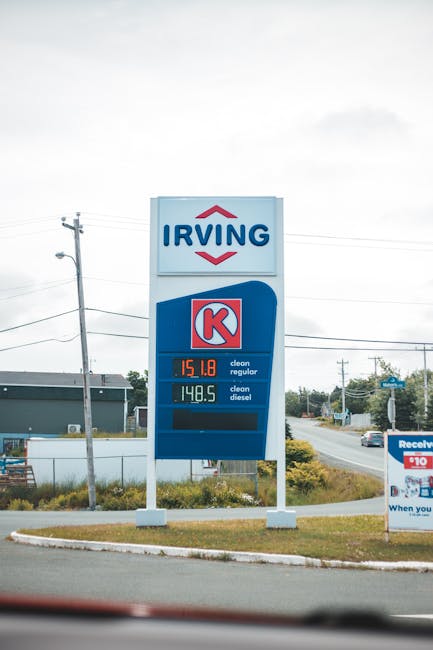
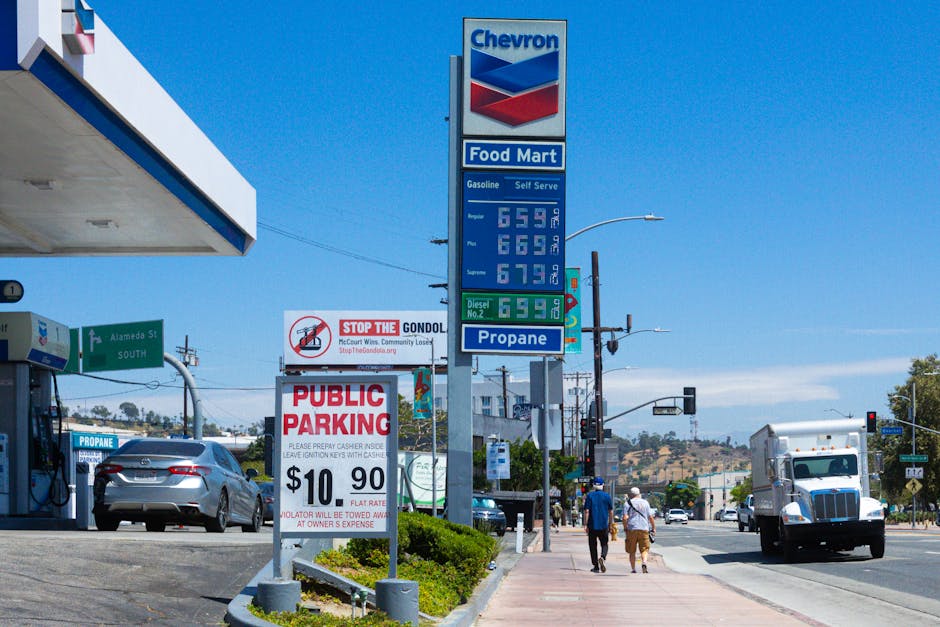
You walk up to the pump, see the number flash up on the digital display, and you might as well just save your credit card for the parking meter.
It feels like this has been going on forever, right? Everyone is asking the same thing: when will gas prices go down? It is the question on everyone’s mind, and honestly, it is a bit of a loaded question.
From what I’ve seen in the last decade of watching market trends, there is no simple “on” switch.
It’s not like the government flips a lever and suddenly everyone is paying $2.00 again.
The reality is a messy mix of global oil politics, seasonal demand, and plain old economics.
So, if you are tired of overpaying at the pump, you’ve come to the right place. Oddly enough,
We are going to dig into why your wallet is hurting and when (or if) it might stop.
The Short Answer: There Is No Official “Drop” Date
First off, we have to address the elephant in the room.
There is no single day or month that analysts predict will see a massive, sudden crash in prices.
When people ask “when will gas prices go down,” they are usually looking for a specific date like “in November” or “after Labor Day.” While seasonal dips do happen, they are often smaller than we hope for.
Gas prices are tied to the price of crude oil.
If the barrel of oil costs $80, your gas is going to be expensive.
If it drops to $70, your gas drops too.
Right now, global supply chains and geopolitical tensions are keeping oil prices from tanking the way they did during the 2020 crash.
It’s not just one thing; it’s a whole lot of things happening at once.
Why Gas Prices Are Stuck in the “High Zone”
So, why can’t we just catch a break? It usually comes down to three main factors:
- The Global Supply Chain: We live in a connected world.
If there is a problem in the Middle East or a production cut by OPEC+, the news hits American pumps within days.
- Refining Capacity: It takes time and money to turn crude oil into fuel.
If refineries are running at low capacity or breaking down, that scarcity drives the price up.
- Taxes and Regulations: We often forget that gas prices include state and federal taxes.
And let’s not get started on the cost of environmental compliance; it adds up.
Seasonal Patterns: The “Summer Spike” and “Winter Slump”
If you are patient, timing your fill-ups can save you a few bucks.
Most people don’t realize that gas prices act like the stock market—they follow a cycle.
Usually, prices hit their highest point in the summer, specifically around Memorial Day and Independence Day. Oddly enough,
Why? Because everyone is driving.
Families are going on road trips, vacationing, and commuting more.
High demand means higher prices.
Conversely, prices tend to dip during the winter.
It’s colder, so people drive less, and demand drops.
So, if you can hold off on that big road trip until October or November, you’ll likely see the numbers come down a bit. Oddly enough,
But here’s the catch: winter has its own problems, like bad weather affecting pipelines, which can spike prices out of nowhere.
Why Waiting for the “Perfect” Price Is a Trap
I’ve made this mistake before.
I’d look at the map, see a gas station five miles away with prices $0.50 cheaper, and drive across town.
Usually, by the time I get there, the price has already gone up or the station is out of premium fuel.
Waiting for gas prices to drop to a historic low is often a losing strategy. But there’s a catch.
You end up spending more in gas driving to the cheaper station than you save.
The best approach is to check prices regularly and fill up when you hit half a tank, rather than waiting for a specific psychological number.
How to Beat the System (Without Moving to a Van)
Since we can’t control the global oil market, we have to control how we interact with it.
You don’t need to switch to an electric vehicle tomorrow to save money, but there are a few smart moves you can make.
One thing I recommend is using a gas rewards app.
They seem like gimmicks, but some of them actually track prices across stations and offer cash back at the pump.
It’s not life-changing, but when gas is $4 a gallon, saving 20 cents on the pump adds up over the year. But there’s a catch.
It’s definitely worth a look if you drive a lot for work.
The Long Game: What’s Next?
Looking ahead, most experts agree that prices might stay volatile for a while.
However, as electric vehicle (EV) adoption increases and renewable energy sources become more dominant, the long-term pressure on gas prices should theoretically decrease.
But let’s not hold our breath.
In the next few years, we are likely to see a slow, steady fluctuation rather than a dramatic drop.
It’s just how the market works.
My honest take? Don’t obsess over the daily fluctuations.
Check the prices, fill up when it makes sense for your tank, and try to drive a bit more efficiently.
We are all in this together, and while we can’t fix the global economy, we can definitely manage our own budget a little better.
Have you noticed gas prices dropping in your area lately? Drop a comment below and let me know.
Image source: pexels.com
Image source credit: pexels.com