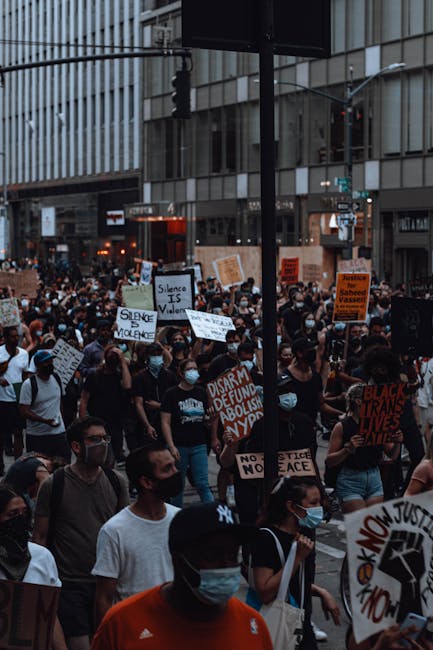
So, what is this ‘social reckoning’ everyone keeps talking about? It feels like everything is changing lately, doesn’t it? One day, a tweet is just a joke.
The next day, it’s a career-ender.
We are in the middle of a massive shift in how society handles accountability, and honestly, it’s a little messy. Here’s the interesting part.
Most people just see the headlines.
They see a tweet getting 10k likes and a person losing their job.
But from what I’ve seen, there is a lot more happening beneath the surface than just a simple punishment.
What is a Social Reckoning?
Simply put, a social reckoning is a collective moment of realization or confrontation regarding societal issues. Now think about that for a second.
It usually happens when the public becomes fed up with a specific behavior or event that was previously ignored or normalized.
It’s not just about outrage anymore; it’s about a demand for transparency and actual change.
When we talk about the social reckoning, we’re talking about the mechanism that forces institutions—companies, celebrities, and even governments—to face the consequences of their past actions.
The Mechanism of the Mob vs.
Accountability
And there is a big difference between accountability and what we often call ‘cancel culture.’ Accountability means owning up to a mistake and fixing it.
Cancel culture, on the other hand, feels more like a trial by public opinion without a jury or a lawyer.
I think a lot of folks are tired of it, honestly.
It’s hard to have a real conversation when you are constantly being told to disassociate from someone.
And this is where things get interesting.
The algorithm plays a huge role here.
Social media platforms prioritize engagement, which means high emotion. But there’s a catch.
Outrage travels faster than logic.
When a controversial event happens, the outrage loop kicks in. But there’s a catch.
It creates a feedback loop that can be incredibly intense. But there’s a catch.
This is why we see so many ‘moments’ that feel forced or manufactured; they are often just the byproduct of an algorithm trying to keep us scrolling.
The Human Cost of Public Shaming
We don’t talk enough about the mental toll.
The people at the center of these reckonings often suffer in silence while the world watches.
It’s brutal.
From what I’ve seen, many people who face a social reckoning don’t necessarily deserve a lifetime ban from society; they might just need a second chance.
The lack of nuance is the real problem.
We are binary: you are either a hero or a villain.
There is no gray area.
- The speed of the internet vs.
the speed of change.
- The permanence of digital footprints.
- The mental health impact on those in the spotlight.
Can People Actually Change?
This is the million-dollar question.
Can someone who has said or done something offensive truly rehabilitate their image? The answer is usually yes, but it takes work.
It requires a genuine apology, not just a PR statement.
It requires listening to the people they’ve hurt.
But in the current climate, forgiveness is hard to come by.
People are skeptical.
They think that if you’re really sorry, you would just disappear.
But that doesn’t help anyone learn or grow.
And this is where things get interesting.
We need to shift our focus from punishment to education.
Instead of just destroying a person’s career, what if we used those moments to have a broader conversation about why what they did was wrong? It’s a tough pill to swallow for many, but it’s probably the only way forward.
Practical Steps for Navigating the Chaos
If you are a business owner or a public figure, you have to be careful.
You can’t just ignore the reckoning.
You have to engage.
Digital reputation management isn’t just about deleting bad tweets anymore; it’s about having a crisis communication strategy in place.
Most people overlook this until it’s too late.
Here is the reality: the public will judge you by your response.
If you get defensive, you lose.
If you listen, you might survive.
It’s a tough spot to be in, but it’s the new normal.
You have to be willing to have the hard conversations.
The Future of Discourse
Is this cycle going to end? I doubt it. Now think about that for a second.
The internet has made us all a little more sensitive, which isn’t necessarily a bad thing.
It means we are holding people accountable for things that used to slide under the rug.
However, we also need to make sure we don’t lose our ability to be human.
We need to forgive a little more and cancel a little less.
At the end of the day, we are all just trying to figure this out as we go. Oddly enough,
The social reckoning isn’t going anywhere, but how we handle it is up to us.
We can choose to be a community that values growth, or we can choose to be a mob that values destruction.
The choice is pretty clear, if you ask me.
If you want to learn more about how to protect your mental health in this digital age, you should check out our guide on digital wellness.
It’s really helpful.
Final Thoughts
It’s a strange time to be alive.
We have all these tools to connect, yet we feel more isolated than ever.
The social reckoning is a symptom of that disconnect.
We want justice, but sometimes we want revenge.
Understanding that difference is the first step to healing.
And this is where things get interesting.
Editor’s Note: If you found this breakdown helpful, consider checking out the resources we linked above.
They offer a lot of good context on how to handle the digital noise.
Image source: pexels.com
Image source credit: pexels.com