That rumble you just felt? Or maybe it was just the wind. Now think about that for a second.
But if you’re in San Juan, you know that line of thinking.
We live in a place where the ground isn’t exactly the most reliable thing beneath our feet.
San Juan earthquakes aren’t just news stories on TV.
For locals, they’re a background hum of reality.
Whether you’ve lived here for fifty years or just moved here yesterday, the tremors are something you can’t ignore.
But how much do you actually know about what’s happening under our feet?
Why San Juan is a Seismic Hotspot
Let’s start with the basics, without getting too bogged down in fancy science terms.
San Juan sits right on a really unstable part of the planet.
We’re talking about the convergence of two massive tectonic plates—the Nazca plate and the South American plate.
They’re constantly crashing into each other.
It’s a slow grind, but eventually, the pressure has to go somewhere.
That’s where the earthquakes come from.
You hear about tremors in Mendoza or Chile all the time.
It makes sense, considering we’re all connected in this way.
The energy builds up, then releases.
It’s nature’s way of resetting the balance, even if it makes us spill our coffee.
The 1944 Earthquake: A Hard Lesson Learned
If you want to understand the severity of San Juan earthquakes, you have to talk about 1944. And this is where things get interesting.
I mean, really talk about it.
That wasn’t just a shake; it was a catastrophe.
The earthquake hit around 4:35 PM on January 15, 1944.
It had a magnitude estimated around 6.9 to 7.0.
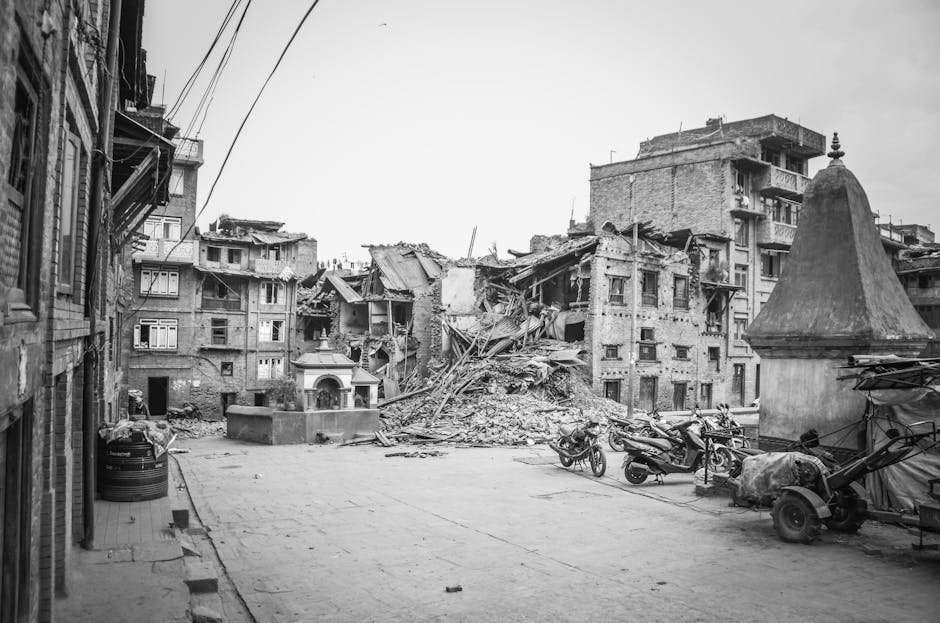
The damage was catastrophic.
Most of the historic center of the city just…
disappeared.
Buildings crumbled like they were made of paper.
From what I’ve read and heard from older folks who survived it, the sound was terrifying.
It wasn’t a rumble; it was a low, groaning growl that seemed to come from everywhere at once.
Over 10,000 people lost their lives.
It changed the way the city was rebuilt entirely.
The post-1944 architecture is completely different from what was there before.
It’s a dark chapter in our history, but it teaches us a vital lesson: buildings in San Juan need to be able to withstand a massive shock.
What Happens During a San Juan Earthquake?
So, you’re in your living room.
The dishes start rattling.
The dog starts barking.
Then the shaking starts.
What do you do? Panic is the first instinct, and honestly, it’s hard to fight.
But you need to try.
The universal advice is Drop, Cover, and Hold On.
I know, I know.
You’ve heard it a thousand times.
But here’s the catch.
In San Juan, especially if you’re in an older building, the floors might move so much that ‘Drop’ is hard to do without falling.
- Drop: Get down to the ground on your hands and knees.
It’s the safest position to prevent being knocked over.
- Cover: Get under a sturdy table or desk.
If there isn’t one, cover your head and neck with your arms.
- Hold On: Clasp your hands under the table.
If it moves, you move with it.
There is a common misconception that you should run outside.
While fresh air is nice, the danger of falling debris from buildings is higher outside than inside.
Stay put until the shaking stops.
San Juan Earthquake Safety: Beyond the Basics
Here is where I want to share a personal thought.
Most guides tell you to put water in plastic bottles. But there’s a catch.
That’s fine.
But what about food? You can only live on crackers for so long.
Most people overlook the Medication aspect.
If you have high blood pressure, diabetes, or any chronic condition, keep a stash of your daily meds in a waterproof container that you can grab instantly.
That’s usually the first thing people forget when they’re packing an emergency kit.
Monitoring the Tremors: Are We Safe?
These days, we’re lucky to have technology.
In 1944, there were no warnings.
Now, agencies like the National Seismological Network (RSN) keep a close eye on us.
You can check apps or websites to see activity in real-time.
It’s actually kind of fascinating.
You’ll see a line going up and down.
A big spike usually means something big is happening elsewhere in the region, even if we don’t feel it here.
It’s good to keep an eye on that, just to get an idea of what’s ‘normal’ for San Juan earthquakes versus a rare event.
Securing Your Home
Have you looked at your bookshelf lately? Or that heavy vase on the mantle? If that shelf tips over during a tremor, it can cause serious injury.
Securing heavy furniture to the wall is a cheap and easy fix that can save your life.
Also, think about your gas lines.
If you have a gas stove, make sure the connections are secure. Now think about that for a second.
An earthquake can loosen pipes, and if there’s a leak, that’s a fire hazard.
A lot of people don’t realize this until it’s too late.
It’s worth checking your home now, before you actually need to use this info.
Preparing for the Worst
Let’s talk about the ‘Go-Bag.’ It sounds dramatic, right? Like you’re going camping in the Andes for a week.
But the reality is, emergency services might be overwhelmed if a big quake hits.
You need to be self-sufficient for at least 72 hours.
What goes in the bag? Flashlights, batteries, a multi-tool, copies of important documents, cash (ATMs won’t work if the power goes out), and a first aid kit.
It sounds like a lot, but it’s peace of mind.
And honestly, isn’t that worth the effort?
After the Shaking Stops
When the earthquake ends, the hardest part begins.
The aftershocks.
They can be just as scary as the main event because you don’t know when the next one will hit.
Check for injuries. Now think about that for a second.
If someone is trapped, don’t move them unless they are in immediate danger.
Check for fires or gas leaks. But there’s a catch.
And for the love of all things holy, don’t use your cell phone for hours if the network is jammed.
Save it for emergencies.
Communication is key.
It’s a scary topic, I won’t lie.
But knowledge is power.
The more you understand about San Juan earthquakes, the less terrified you’ll be when the ground starts moving.
It’s about being ready, not just waiting for the next big one.
Image source: pexels.com
Image source credit: pexels.com