There is a lot of chatter on social media right now about Central America, specifically Nicaragua.
It’s getting hard to scroll through Instagram without seeing a video of someone buying a beachfront condo for fifty grand.
It looks like paradise.
The beaches are actually beautiful, the food is amazing, and the coffee is world-class.
But here is the thing that nobody tells you in those pretty brochures: Nicaragua isn’t exactly perfect.
It has a history, and the reality on the ground is a mix of absolute magic and genuine frustration.
If you are thinking about moving there or just visiting, you need to know the truth, not just the highlight reel.
The Safety Elephant in the Room
First, the big question.
Is it safe? Short answer: It depends on where you are.
When people talk about Nicaragua, they usually mean the Pacific coast—places like San Juan del Sur or Granada.
Those tourist spots are generally okay if you keep your head on a swivel.
You definitely shouldn’t walk around drunk at 3 AM on a dark street in Managua, but the capital isn’t exactly crime-free in any major city in the world, you know?
However, if you head inland or stick to the borders, things change fast.
The gangs are real.
Violent crime does happen, especially petty theft against tourists.
It’s not like the Wild West, but it’s not Disneyland either.
You need to be smart.
Don’t flash expensive jewelry, don’t use your phone openly on the street, and basically, act like a local as much as you can.
From what I’ve seen, the safest bet for most people is staying in the tourist corridor between Managua and San Juan del Sur.
It’s gated communities, expat bubbles, and easy travel.
But if you plan on venturing off the beaten path, you better have good travel insurance.
Visa Requirements and Red Tape
One of the reasons people love it there is the visa policy.
For a lot of nationalities, you can get a 90-day visa upon arrival.
That’s great.
You fly in, pay your fee, and you’re good for three months.
But here is where it gets tricky.
If you want to stay longer than that—say, to buy property or actually retire there—you have to renew it.
And the bureaucracy can be a nightmare.
You often have to leave the country to renew, which adds travel costs and hassle.
It’s not the place to go if you want a quick, easy bureaucratic fix.
You really need to sort this out with a lawyer or a trusted agency before you commit to a lease.
The Cost of Living Shock
Okay, let’s talk money because that’s usually why we are all here.
Nicaragua is cheap.
It is shockingly cheap.
You can live like a king on a budget that would get you a tiny apartment in Miami.
But be careful with the word “cheap.” It often means you get what you pay for.
If you pay $500 a month for a place, you might get a nice house in the suburbs of Granada.
If you pay $500 in the city center, you might be sleeping near a rooster that doesn’t stop crowing.
The internet infrastructure is improving, but it’s still spotty compared to the US or Europe. But there’s a catch.
If you work remotely, make sure you have a backup plan when the power cuts out for the third time this week.
Granada vs.
San Juan del Sur
Where should you actually live? This is the debate that splits the expat community.
Granada is historic.
It feels like Europe.
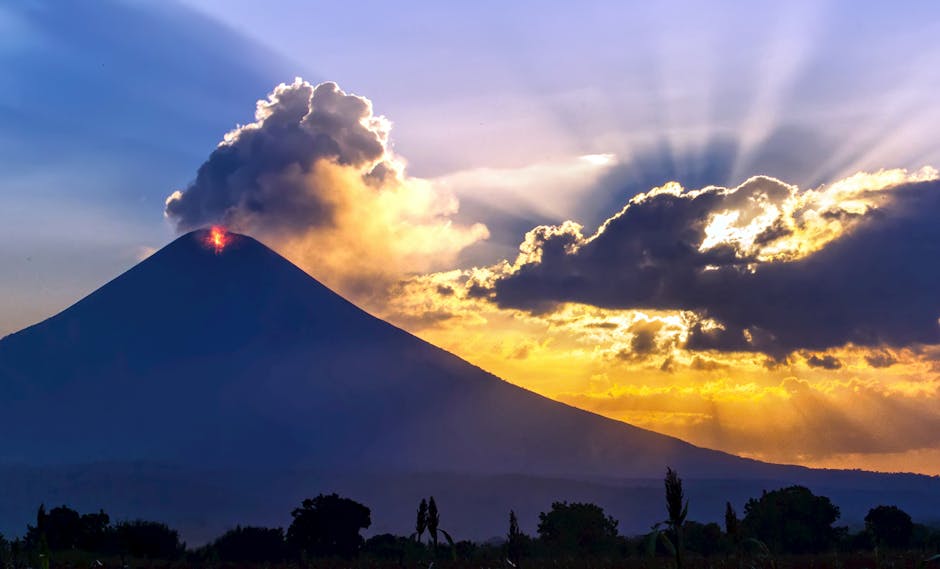
Colonial architecture, cobblestone streets, and volcanoes in the background.
It’s great for socializing, dining, and culture.
But it’s also hotter, more humid, and traffic can be absolutely brutal.
San Juan del Sur is the beach life.
It’s surfers, bars, and ocean views.
It’s chill.
But it can feel a bit isolated, and if you don’t surf, you might get bored pretty quickly.
I personally prefer Granada for the amenities, but that’s just my two cents.
Most people end up in a place called Masaya.
It’s right in the middle, has the market, and is easier to commute from.
Health and Water
Let’s talk about the water. Oddly enough,
Don’t drink the tap water.
Just don’t.
Even if the locals tell you it’s “okay,” your stomach is going to pay the price. Here’s the interesting part.
You have to buy purified water everywhere.
It costs pennies but adds up over time.
Medical care is another factor. Oddly enough,
The public system is free but practically non-existent for serious issues.
Private clinics are good, especially in Granada, but they are pricey.
Most expats carry private health insurance just in case.
It’s a no-brainer.
Is It Worth It?
Ultimately, Nicaragua is a place of extremes.
It has some of the most beautiful sunsets in the world, but also the worst rush hour traffic I’ve ever experienced.
If you want a quiet, predictable life where everything runs like clockwork, skip it. And this is where things get interesting.
If you want adventure, you want to live cheaply, and you don’t mind a little bit of chaos and uncertainty, then Nicaragua is calling your name.
Just do your homework.
Visit first.
Don’t just buy the dream from a real estate agent.
Image source: pexels.com
Image source credit: pexels.com