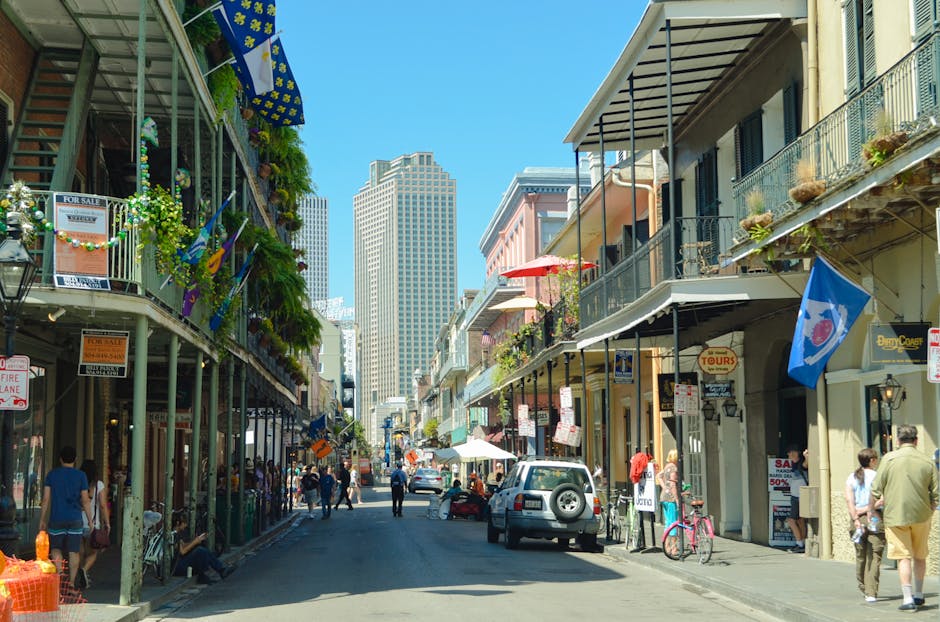
If you’ve never been to New Orleans, you’ve probably got a specific image in your head.
You’re thinking jazz, vampires, and Mardi Gras beads.
And sure, all that exists.
But what actually makes the city tick isn’t on Bourbon Street.
It’s in the crumbling plaster of the French Quarter, the smell of frying pork in the Marigny, and the way the trumpet player lets the note hang in the humid air for a second too long.
Here’s the interesting part.
After spending years traveling through the South, I’ve come to realize that New Orleans is less of a city and more of a feeling.
It’s chaotic, loud, and sticky, but that’s exactly why you need to go.
The problem is most people get scammed or overwhelmed by the sheer volume of tourists. Here’s the interesting part.
This guide is for the people who want the real experience.
We’re skipping the plastic cups of rum and heading straight for the soul of the city.
First: The Real New Orleans Neighborhoods
Trying to do this whole city in three days is a recipe for disaster. Now think about that for a second.
You need to pick your battles and understand the vibe of each area.
The French Quarter is great for walking, sure, but it gets packed.
To get the real pulse, you have to move a little bit out.
The Frenchmen Street area is where the locals actually go.
It’s just a block or two away from the tourist traps, but the energy shifts instantly.
You walk in, and there’s no cover charge at most places, just good music spilling out onto the sidewalk.
It’s a lot more intimate.
If you want to hear jazz like you’re in a smoky 1940s basement but still have access to Uber, this is your spot.
Then there’s the Bywater.
It’s grittier, for sure.
It feels a bit rougher around the edges, but that’s what I love about it.
You’ve got houses with vines hanging off them and dive bars that look like they haven’t changed since the 70s.
It’s not polished, and that’s the point. But there’s a catch.
Also, don’t sleep on the Warehouse District for high-end dining and the galleries, even if it feels a bit sterile compared to the rest of the city.
The Food Scene: It’s Serious Business
Okay, let’s talk about the food.
Everyone talks about beignets at Café du Monde, and for good reason.
But please, get the beignets at a tiny shop in the Bywater.
The ones at the famous place are tourist traps with a line that takes an hour.
Trust me, the ones you get at a random counter in the Frenchmen neighborhood are just as good, maybe even better.
You have to try a Po-boy.
I don’t care if you’re at a high-end restaurant or a gas station. Here’s the interesting part.
It’s a French-bread sub with fried oysters, shrimp, or roast beef.
The bread has to be soft and the sauce—remoulade—needs to be spicy and tangy.
Don’t get it complicated.
If it’s messy, you’re doing it right.
- Gumbo: A hearty stew that’s a perfect defense against the humidity.
It has to have a dark roux.
- Crawfish Étouffée: Creamy, spicy, and delicious.
It’s basically the comfort food of Louisiana.
- Red Beans and Rice: It sounds simple, but Sundays in NOLA are sacred for this dish.
Music: More Than Just Jazz
And this is where things get interesting.
New Orleans gave the world jazz, and you’ll hear it everywhere.
But the city is moving forward. Here’s the interesting part.
You’ll hear brass bands, funk, and hip-hop that’s unique to the region.
The best place to catch this is at places like The Spotted Cat or d.b.a.
These aren’t the polished stages you see on TV.
I remember sitting in a tiny bar on Frenchmen Street, drinking a cheap beer, when a brass band walked in.
They started playing, and everyone stood up.
There was no dancing at first, just people looking at each other, smiling.
That’s the culture.
It’s communal and loud.
You can’t stay in your hotel room and miss this.
You have to be out there.
Practical Tips for Visiting NOLA
There are a few things that will make or break your trip.
1.
Wear comfortable shoes: You are walking on cobblestones and uneven pavement all day.
Flip-flops are a terrible idea unless you want to trip and fall into a puddle.
And this is where things get interesting.
2.
The heat and humidity: This city gets hot.
Like, really hot.
Go to the Garden District in the morning or late afternoon to beat the heat.
Walking around at 2:00 PM when the sun is blazing is miserable.
3.
Safety: It’s not the most dangerous city in the world, but it’s not Disney World. Oddly enough,
Don’t flash expensive cameras or jewelry.
Keep an eye on your drink. Here’s the interesting part.
But honestly, most of the danger comes from being too drunk to know where you are.
Just use common sense.
Planning Your Trip
Now that you know the vibe, you need to make the logistics work.
Booking a hotel right in the thick of it can cost a fortune and be noisy.
I’ve found that staying in the CBD or the Garden District often gives you a better price and a quieter night’s sleep, while still being a quick Uber ride to everything.
If you want to really get under the skin of the city, booking a custom food tour is worth the splurge.
I say this because trying to order Gumbo in broken French can be intimidating for a first-timer.
A local guide handles the ordering and explains the history of the dishes, which adds a layer of context you just can’t get reading a blog post.
For accommodations, I always recommend checking out hostels and boutique hotels rather than the big chains.
They usually have more character and are located in better walking neighborhoods.
The Bottom Line
But there’s a catch.
New Orleans is a city that demands your attention.
It smells like rain and spices, and the history is written on every wall.
It’s not perfect.
It has problems, like any big city does. But there’s a catch.
But the spirit of the people is unmatched.
So, skip the plastic cups on Bourbon Street, buy a ticket to a show on Frenchmen, and eat your weight in red beans and rice.
You won’t regret it.
Image source: pexels.com
Image source credit: pexels.com