So, you’ve decided to go to Montana.
I don’t blame you.
Most people see the postcards—the endless sky, the jagged peaks, the massive herds of bison—and they think, “I need to go there.” But honestly, planning a trip to Big Sky Country is a little more complicated than booking a flight to Florida.
It’s big.
It’s wild.
And if you aren’t careful, you’ll spend half your vacation driving in circles.
I’ve been traveling through Montana for the better part of a decade now.
From driving the Beartooth Highway in a rental car that didn’t appreciate the potholes to sleeping in a tent that kept me awake all night listening to coyotes, I’ve seen it all.
This isn’t just a list of tourist traps.
This is a survival guide and an itinerary rolled into one.
And this is where things get interesting.
Why You Need to Plan This Trip Right
Montana isn’t a place where you can just show up and figure it out.
It is massive.
We’re talking about a state that’s bigger than Japan or Germany.
Traffic jams aren’t caused by accidents; they’re usually caused by moose on the highway or people stopping to take photos of cows.
My biggest piece of advice? Don’t try to see everything.
Seriously.
Pick a region and stick to it.
For this itinerary, we are focusing on the western part of the state because that’s where the magic happens—the glaciers, the hot springs, and the access to Yellowstone.
Best Time to Visit Montana
Unless you are a masochist, skip the winter.
Yes, the skiing is good, but driving from Bozeman to Glacier National Park in February can be terrifying.
The snow closes the passes constantly.
- June to September: The best time.
Everything is open, and the weather is bearable.
(But bring a jacket for the mornings).
- Shoulder Seasons (May & October): Fewer crowds, cheaper hotels, but weather is unpredictable.
Pro tip: If you want to avoid the tourists, try to arrive in late May or early June.
The wildflowers are just starting to pop, and you still have the whole summer ahead of you.
Day 1: Bozeman – The Gateway to Adventure
You’ll likely land in Bozeman (BZN). Oddly enough,
It’s a college town, so there’s energy here, but it also has a gritty, outdoorsy soul.
It’s a great place to break up the drive.
Spend the afternoon exploring the Main Street area.
Grab a burger at a local joint like the Big Sky Burger Company—just don’t ask for ketchup if you want to fit in with the locals.
For dinner, head to the Acme Bar and Bakery. But there’s a catch.
It’s loud, it’s crowded, and the cinnamon rolls are better than they have any right to be.
Just make a reservation if you go on a Friday night.
Day 2: The Beartooth Highway & Red Lodge
This is the highlight. Oddly enough,
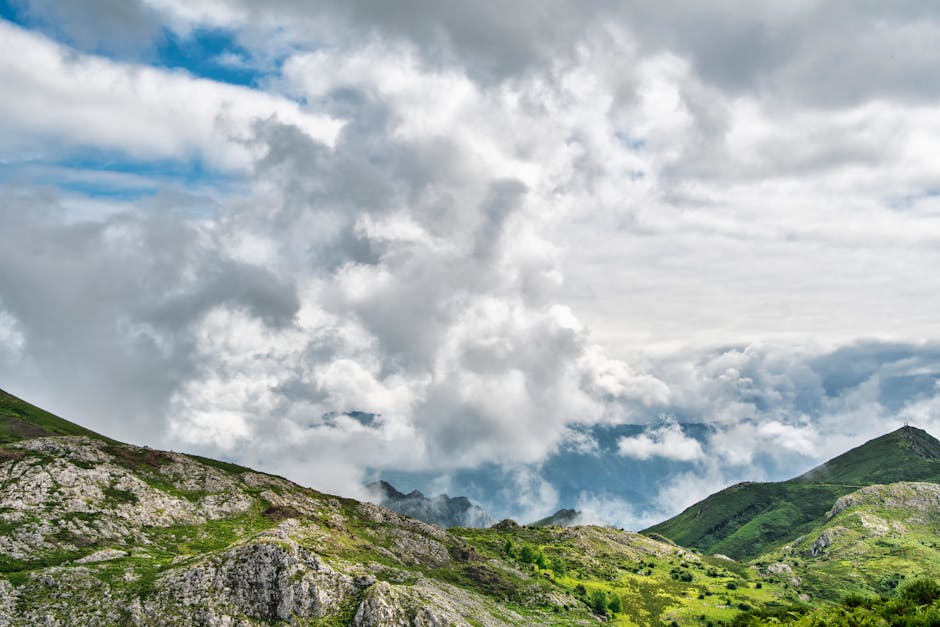
The Beartooth Highway (Highway 212) connects Red Lodge, Montana, to Cooke City, Montana.
It’s widely considered one of the most beautiful drives in America.
Start early.
Like, 7:00 AM early.
The sun hits these mountains at specific angles, and you want to catch that golden hour lighting.
You’ll climb past the tree line and drive along the edge of cliffs that drop thousands of feet down.
It’s honestly terrifying, but in a good way.
Stop at Paradise Point for a quick hike. Here’s the interesting part.
The view of the lake below is unreal.
By the time you hit Cooke City, you’ll be starving.
There’s not much else there besides a gas station and a diner, but it’s worth it.
Day 3: Glacier National Park – Going to the Sun
Today is dedicated to the Crown Jewel: Glacier National Park. Here’s the interesting part.
The famous Going-to-the-Sun Road is iconic, but it can get congested.
I recommend parking your car and taking the Red Jammer Tour.
These vintage red buses have been running here since the 1930s.
It’s a slow, winding ride, but your driver will tell you stories about the park that you’d never find in a brochure.
Make sure you get off the bus at Logan Pass.
That’s where the real magic is.
The Hidden Lake Overlook is a short walk, but if you have the energy, the trail to Hidden Lake itself is stunning.
Watch your step, though.
The bears are everywhere in the summer.
Day 4: Flathead Lake & Whitefish
Leave the park and head south to the town of Whitefish.
It feels like a ski resort but without the snow.
It’s very touristy, which can be annoying, but the waterfront is beautiful.
Spend the afternoon floating on Flathead Lake.
The water is surprisingly cold, so bring a wetsuit if you plan to swim.
There are several designated swim beaches.
Afterward, grab a drink at the Whitefish Brewing Company and people-watch.
It’s a different vibe here than in Bozeman—more upscale, more polished.
Day 5: Hiking & Wildlife Spotting
Morning in the Rockies is for coffee and silence.
Find a trail near Whitefish or head back towards Missoula if you want something harder.
The Piper Trail offers a great workout with panoramic views.
Late afternoon is prime time for wildlife.
We’re talking elk, bighorn sheep, and maybe even a black bear.
You will see them almost everywhere you drive.
Just keep your windows up and your camera ready.
I like to use a Canon EOS R5 for this because the autofocus locks onto animals so fast, even when they’re moving through brush.
It’s an investment, but capturing that moment is worth it.
Day 6: Missoula & Food
Drive south to Missoula.
It’s a college town with a lot of soul.
It feels like the intellectual center of the state. Here’s the interesting part.
The University of Montana brings a creative energy to the downtown area.
You have to eat at The Frontier for dinner.
It’s not fancy, but the steaks are thick, the beers are cold, and the atmosphere is buzzing.
If you’re hungry before dinner, try the French Dip at the Moon Cafe.
Take a walk along the Clark Fork River.
It’s lined with paths and feels very peaceful, even with the traffic noise nearby.
Day 7: Departure
Depending on your flight time, you might have a free morning.
If you do, head to the Missoula Airport area for some last-minute snacks or souvenirs.
Otherwise, just enjoy the drive back to Bozeman and start planning your next trip.
Mistakes to Avoid
Here is where I get to sound like the grumpy old man I am. Oddly enough,
Don’t camp in unmarked areas.
Park Rangers are strict about this.
Also, don’t feed the animals.
I know that bison looks cute and wants a fry, but if you feed it, it becomes a nuisance, and that’s bad for everyone.
And finally, underestimate the distance.
If you think you can drive from Bozeman to Glacier and back in one day, you are wrong.
It takes about two hours each way.
Conclusion
Montana is a place that gets under your skin.
It’s not just a vacation; it’s an experience.
It humbles you.
It shows you just how big the world actually is.
So pack your layers, charge your camera, and get out there.
You won’t regret it.
Image source: pexels.com
Image source credit: pexels.com