And then you see it. Here’s the interesting part.
You’re scrolling through your phone, maybe looking at funny cat videos or work emails, and suddenly you spot it.
A yellow box on your weather app. Here’s the interesting part.
The words ‘Flood Watch’ are plastered across the screen. But there’s a catch.
Your heart does that little weird flip, right? You immediately think, Oh no, my house is going to float away. But here’s the thing—most people panic when they shouldn’t.
Others do nothing when they really should.
It all comes down to understanding exactly what a flood watch meaning actually is.
From what I’ve seen in the news over the years, the biggest confusion always stems from the alphabet soup of weather alerts.
We have Watches, Warnings, Advisories, and Statements.
It’s enough to make you just ignore your phone entirely.
But if you live in a flood-prone area—which, let’s be honest, a lot of us do these days—you can’t afford to be confused.
Let’s break it down, keep it real, and figure out what you should actually do.
What Exactly Is a Flood Watch?
Okay, let’s start with the basics.
A flood watch means conditions are favorable for flooding.
That’s it.
It’s not a guarantee that water is going to cover Main Street tomorrow morning.
Think of it as a weather forecast giving you a ‘heads up’ that you need to be aware of the potential for rain.
It’s usually issued by the National Weather Service when there is a high probability of heavy rainfall, rapid snowmelt, or a combination of factors that could lead to flooding in your area.
So, if you see a watch, it’s time to pay attention, but it’s not time to start packing the boat yet.
The Difference: Watch vs.
Warning
This is where the money is, folks.
This is where most people mess up.
The difference between a flood watch and warning is the difference between ‘be careful’ and ‘run for your life.’ I can’t stress this enough.
- Flood Watch: Conditions are favorable for flooding.
(Think: ‘It might rain really hard, so watch out.’)
- Flood Warning: Flooding is actually happening or will happen very soon.
(Think: ‘Get out of the basement now.’)
Once a warning is issued, you don’t have time to debate it. And this is where things get interesting.
You need to act immediately.
So, if you see that yellow box, you’re safe for a little bit.
If you see the red box, you need to move.
Why Weather Apps Can Be Misleading
So, why do you sometimes feel like your weather app is lying to you? Sometimes, the tech is fine, but the data is just hard to predict. Oddly enough,
Flash floods are notorious for this.
They can happen in minutes, often in areas that haven’t seen rain in weeks.
Flash flood watch vs warning is a specific sub-niche here because a flash flood doesn’t give you much warning at all.
I remember a time a few years ago when my area was under a flood watch, and honestly, it barely rained. But there’s a catch.
But then, the skies opened up later that evening, and we ended up with a flash flood warning.
It was jarring.
The point is, a watch is a prediction of potential.
It doesn’t always translate to ‘heavy rain at 5 PM sharp.’ It’s a probability game, and sometimes the dice roll bad.
Practical Steps: How to Prepare for a Flood Watch
But there’s a catch.
Alright, enough theory.
What do you do when that yellow box pops up? Most people just stare at their phone.
You shouldn’t.
Preparation is key to keeping your family safe.
First, you need to know your risk.
Are you on a floodplain? Is your basement prone to water seeping up through the floor? If you live in a low-lying area, you need to be extra vigilant.
I’ve seen basements ruined by just a few inches of water—it’s not just about the mess, it’s about the mold that grows in the walls afterward.
Check Your Home’s Defense
Before the storm hits, make sure your home is ready.
If you have a sump pump, check it.
Is it working? Do you have a backup battery? It sounds like a boring chore, but it’s the best money you can spend.
I’ve seen people lose their entire ground floor because the power went out during a storm and their sump pump died.
Also, move valuables upstairs.
I’m talking electronics, important documents, even the family photos.
You can replace a TV, but you can’t easily replace grandma’s wedding album.
Don’t Be Stubborn: Driving in Flood Watches
Here is the part where I get a little controversial.
I know, it happens.
But I see it every time there’s heavy rain.
People driving through water.
Just stop it.
Most people overlook this, but you can easily get stuck or swept away in just six inches of moving water.
A foot is enough to float your car.
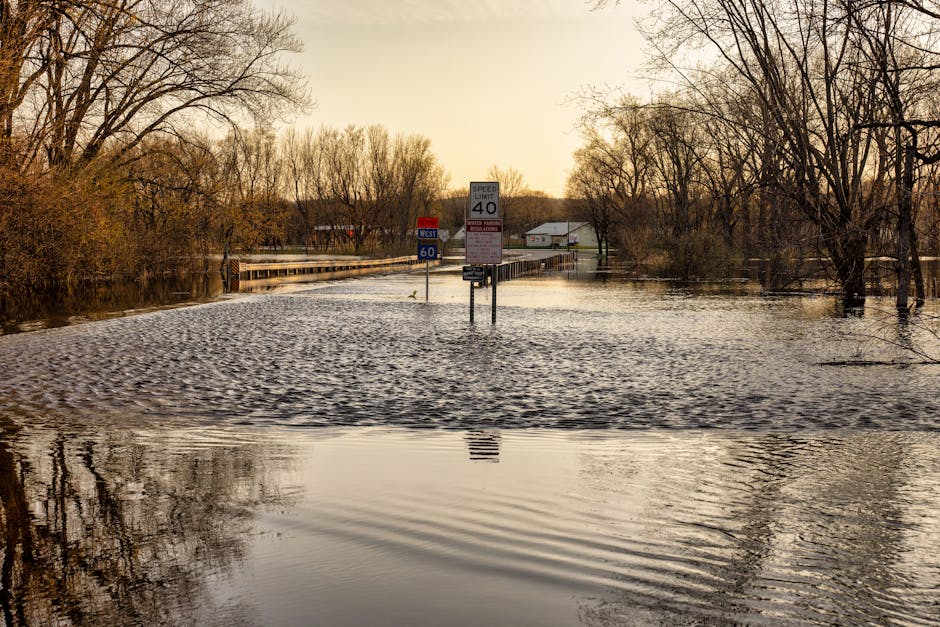
If you see a street that’s already flooding, don’t drive through it.
Turn around.
Don’t drown.
It sounds like a cliché, but it’s a safety slogan for a reason.
If you can’t see the road, the road isn’t there anymore.
Insurance and the Long Game
Oddly enough,
Okay, let’s talk about the money part. But there’s a catch.
Flood insurance is a weird thing.
Most standard homeowners policies don’t cover it.
It has to be a separate policy through the National Flood Insurance Program (NFIP) or a private carrier.
I know, it feels like throwing money away if you haven’t had a flood yet.
But if you live in a high-risk area, you really should consider it.
It’s not a fun purchase, but it’s peace of mind.
If you’re worried about rising waters, getting a policy in place *before* a watch is issued is smart.
You can’t get insurance if your house is already underwater.
And this is where things get interesting.
What to Do If the Warning Issued
If you see a flash flood warning on your screen, your action plan needs to be short and simple:
Here’s the interesting part.
- Move to higher ground immediately.
- If trapped in a car, get out and move to higher ground.
Cars are not safe.
- Turn around, don’t drown.
Don’t wait to see if the water level rises.
Just go.
Final Thoughts
So, next time you see that yellow ‘Flood Watch’ notification, take a deep breath.
You don’t need to panic.
But you do need to be prepared. Oddly enough,
Check your emergency kit.
Move your stuff.
Make sure your sump pump is humming.
It’s all about being ready before the rain actually starts falling.
Stay safe out there, and hopefully, you’ll never have to use this advice for real.
Image source: pexels.com
Image source credit: pexels.com