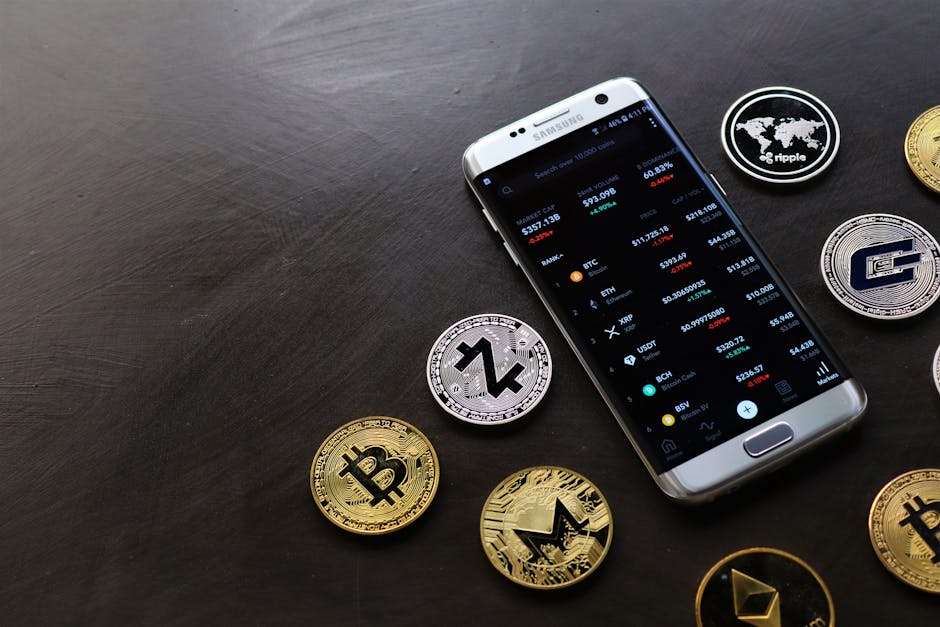
So, you’re looking at the screen, maybe seeing green or red numbers flashing, and wondering where the price of Ethereum is actually going.
It’s honestly hard to keep track sometimes.
The market moves so fast, especially with Ethereum, which isn’t just a coin—it’s a whole ecosystem running smart contracts and powering the decentralized web.
From what I’ve been seeing in the data, the situation is a mix of hype and heavy technical pressure.
Most people just look at the ticker and get scared when it drops, but that’s rarely the full story.
Let’s dig into what’s actually driving the ethereum price right now without all the fluff.
The Current Landscape: More Than Just a Number
First off, let’s address the elephant in the room: volatility.
Ethereum has been swinging harder than a pendulum lately.
We’ve seen moments where it rallies on news about ETFs or upgrades, and then crashes because of a simple tweet from a high-profile figure.
It’s important to understand that the eth price isn’t just reacting to Bitcoin.
Sure, Bitcoin is the king, but Ethereum often moves on its own fundamentals—like network usage and developer activity.
If you’re trying to predict where it’s going, you can’t just look at one chart.
You have to look at the whole picture.
Why Is It Moving? The Technical Side
I’ve been analyzing the moving averages and resistance levels for a while now, and there’s a pattern forming.
Right now, we’re seeing a lot of resistance around that $3,000 to $3,500 mark.
Traders are getting nervous every time ETH touches that ceiling.
It feels like the market is trying to decide if it wants to break out or consolidate.
Also, don’t underestimate the power of the 200-day moving average.
When the price dips below that line, sentiment usually turns very bearish.
Currently, we’re hovering right around that critical zone.
It’s a make-or-break moment for short-term holders.
On-Chain Signals You Should Know About
This is where I think most people make mistakes.
They trade based on news headlines, but on-chain data tells a different story.
For example, we’re seeing an increase in ‘whale’ activity.
Large wallets are moving significant amounts of ETH, which often signals that they expect a big move in the near future.
If the whales are selling, you might want to be careful. And this is where things get interesting.
But if they are accumulating, that’s a different kind of green flag.
It’s not just about the price; it’s about who is actually holding the bags.
Future Forecasts: Short Term vs.
Long Term
Everyone wants a number.
“What will ETH be worth in 5 years?” is probably the most common question I get.
Honestly? No one knows.
That’s the honest truth.
But we can look at scenarios.
- Short Term (3-6 months): Expect choppy waters. Now think about that for a second.
We might see a test of the support levels around $2,500.
If it holds, we could see a rally back to $3,500.
If it breaks, we might be looking at a much lower target.
- Long Term: The narrative here is still about ‘Ethereum 2.0’ and mass adoption.
If the network upgrade continues to improve transaction speeds and lower fees, the utility increases.
More utility usually means a higher price ceiling over time.
How to Handle the Volatility
This is the part where I have to give you a little advice based on real experience.
If you’re planning to buy Ethereum, don’t put all your eggs in one basket.
It sounds cliché, but it’s true.
One thing I always recommend is to ensure you have a secure place to store your assets.
You never know when an exchange might face liquidity issues.
That’s why using a reliable hardware wallet is so important.
It gives you control back over your funds.
If you’re looking for a good place to start, you can check out some of the best crypto wallets available right now.
Is It Time to Buy?
This is the million-dollar question.
From a purely technical standpoint, the price looks a bit stretched, but from a value standpoint, it might still be cheap depending on your timeframe.
I wouldn’t suggest panic selling right now unless you need the cash.
The market cycles are long, and emotions tend to get the best of us.
It’s usually better to dollar-cost average in rather than trying to time the exact bottom.
What About the Competition?
It’s also worth comparing Ethereum to its rivals.
Solana and Cardano are always trying to steal market share, but Ethereum’s first-mover advantage in DeFi and NFTs is massive. Now think about that for a second.
That network effect is hard to break.
At the end of the day, the ethereum price is a reflection of market sentiment, but it’s also a reflection of how much people believe in the technology. Oddly enough,
The tech is solid, but the market can be irrational.
So, what do you think? Are we looking at a bull run coming up, or is there more downside? Let me know your thoughts in the comments.
I read every single one of them.
Image source: pexels.com
Image source credit: pexels.com