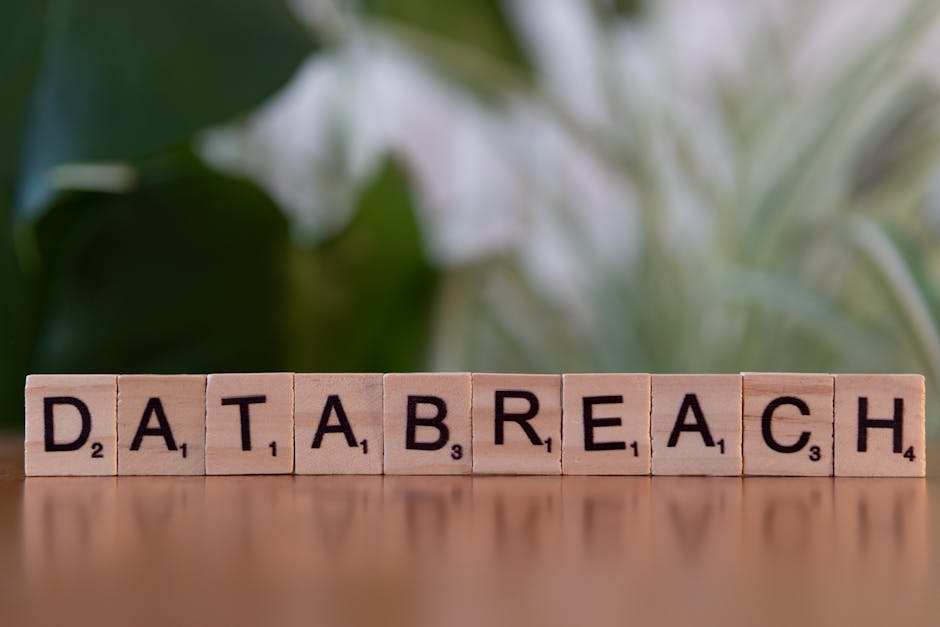
Why Your Data Is Still Not Safe—And What’s Really at Stake
But there’s a catch.
From what I’ve seen, most folks think a new law means their emails are suddenly locked down.
In reality, the gaps are still huge.
Here’s the lowdown.
Table of Contents
- Why data still exposed
- Regulations that miss the mark
- Real-life gaps you can’t ignore
- How to protect yourself
- Best tools for privacy
- Future outlook
- Wrap-up
Why data still exposed
Even with GDPR and CCPA on the books, companies can still collect data if they claim “legitimate interest.” That loophole is still wide open.
Regulations that miss the mark
Most laws focus on big corporations, but small apps and free services often slip through.
They gather data for “improving user experience,” which usually means ad targeting.
Real-life gaps you can’t ignore
Take a recent health app that shared user data with third‑party advertisers.
The user never saw a clear consent form.
That’s a classic example of “informational” risk.
How to protect yourself
First, check the privacy settings on every account.
Second, use a password manager that encrypts your credentials.
Third, consider a reputable VPN when on public Wi‑Fi.
Best tools for privacy
Here are a few I trust: a privacy‑focused browser extension, an encrypted email service, and a password manager.
They’re not perfect, but they raise the bar.
Future outlook
Lawmakers are talking about a global framework, but progress is slow.
Until then, stay skeptical and read the fine print.
Wrap-up
Bottom line: data privacy regulations are a start, but they’re far from a safety net.
Your best bet is to stay informed and take small steps now.
And if you’re looking for a solid starting point, the best VPN for privacy is a good investment.
Image source: pexels.com
Image source credit: pexels.com