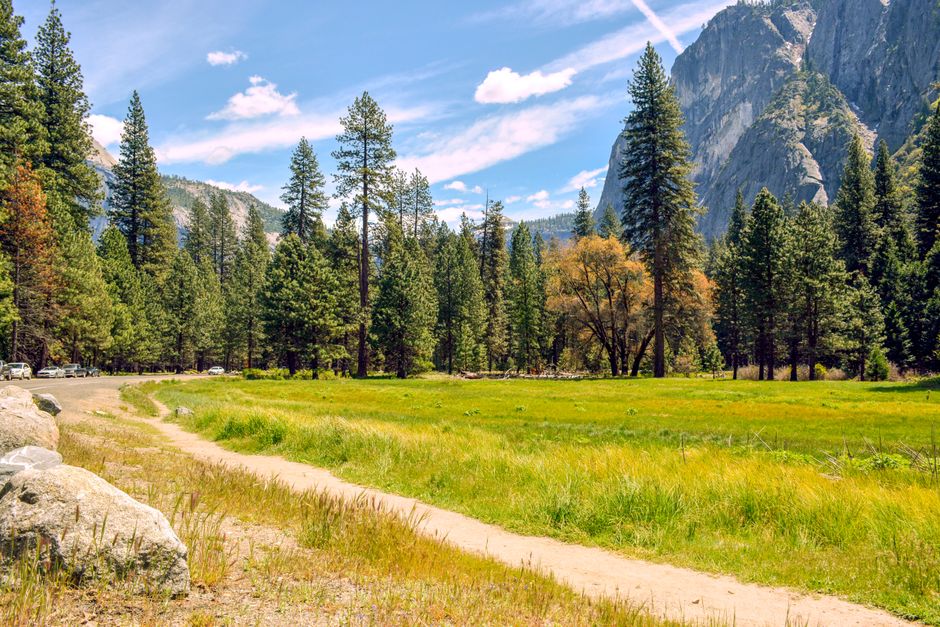
And honestly, the price hike for California state parks hit hard last year.
I remember looking at the new fee schedule last summer and doing a double-take.
If you’re planning a road trip across the Golden State, you might be wondering if that little plastic card in your wallet is actually going to save you cash or just add another line item to your budget.
We’ve spent weeks digging through the fee schedules, talking to rangers, and crunching the numbers, so you don’t have to guess.
What Exactly is the California State Parks Pass?
First off, you need to understand what you’re actually buying.
The California State Parks Annual Pass isn’t just one thing; it’s a tool that covers day-use vehicle entry fees for most state park units across the state.
It covers the driver and passengers in a single vehicle.
But—and this is a big ‘but’—it doesn’t cover parking in popular areas like Huntington Beach State Beach or the main lot at Point Reyes National Seashore (wait, that’s National, but the concept stands).
It also doesn’t cover things like camping, boat launches, or organized group use.
Most people overlook this distinction until they’re standing at a toll booth with a car full of kids and a crying toddler.
Who is this actually for?
From what I’ve seen in the parking lots, the pass is a no-brainer for families who visit state parks at least once a month.
If you live in the Bay Area or Southern California and do weekend hiking, this pays for itself in two trips.
However, if you’re a casual visitor who only goes camping once a year, you’re probably better off paying the daily rate.
It’s a classic ‘use it or lose it’ scenario.
The Real Cost: 2024 Price Breakdown
As of 2024, the standard annual pass costs $135 for a passenger vehicle.
It’s a flat rate, which is nice.
You don’t pay extra for high-traffic parks like Mount Tamalpais or Anza-Borrego.
Just keep in mind that some parks—especially county parks or those managed by special authorities—might charge their own fees on top of the state pass.
Are there discounts?
Yes, absolutely.
If you’re a veteran, a senior, or part of a California Native American tribe, you can usually get a significantly reduced rate.
There are also lifetime passes available for seniors 62 and older. Oddly enough,
It’s worth checking the official ‘Explore California State Parks’ website before you buy to see if you qualify for a discount, because who doesn’t want to save a few bucks on gas?
The National Parks Option (A Major Competitor)
Here is where things get tricky.
Everyone knows about the ‘America the Beautiful’ Pass for National Parks, which is usually $80.
But since California is full of both State and National Parks, how do you choose?
I think most people make the mistake of thinking the National Pass is the ‘better’ deal.
It’s not always. And this is where things get interesting.
The National Pass doesn’t cover California State Parks.
Conversely, the State Pass doesn’t cover National Parks like Yosemite or Joshua Tree.
- California State Parks Pass ($135): Covers ~280 parks, beaches, and rec areas. Oddly enough,
Good for coastal access and local forests.
- National Parks Pass ($80): Covers 2,000+ sites, including the big National Parks.
Bad for California State Parks.
So, if you plan on hitting Yosemite and Point Reyes State Park, you need both.
If you stick to the Golden Gate National Recreation Area (which is actually federal) and local coastal bluffs, the State Pass wins.
How to Actually Buy the Pass (The Clunky Part)
Okay, I have to be real with you here.
The online portal for the California State Parks pass can be a bit of a headache.
It’s not exactly user-friendly on mobile devices.
So, here is the advice from experience: try to buy it at a ranger station if you are physically visiting a park.
You can also use the RecPass system, which is their app-based booking tool for some activities, though it sometimes acts weird with the annual passes.
Sometimes, the best option is just to print the receipt at an automated kiosk at a popular trailhead.
It’s a little old school, but it works.
Common Mistakes to Avoid
Don’t buy the pass at the very last minute before a big trip.
You have to allow a few days for processing sometimes.
Also, make sure you have a digital copy on your phone. Here’s the interesting part.
We’ve seen too many people arrive at a gate only to realize they left the paper card in the glove box. Oddly enough,
And let’s be honest, printing out a PDF on a windy trailhead is a nightmare.
Where to Use It (The Best Spots)
Just for a second, let’s talk about value.
The best value for your money right now is definitely Anza-Borrego Desert State Park.
It’s massive, you can drive around, and the entry fees are high.
Then there are the coastal parks in Northern California.
You can drive from one beach to another for the price of one pass.
If you’re looking for hidden gems, check out the lesser-known state beaches like Gualala or Dillon Beach.
They are beautiful, uncrowded, and totally covered by the pass.
You can find a full list of participating parks here, but honestly, most major ones are included.
Alternatives: What If You Don’t Want the Pass?
Sometimes, a $135 fee just feels too heavy. But there’s a catch.
There are other ways to get outdoor access without the commitment.
If you live in a major city, look into your local county parks.
Many offer day passes for $5 or less.
Or, you could look into the ‘California Native Plant Society’ passes if you are a botany nerd like me.
They offer free entry to many state parks on specific days.
It’s a small hack, but it adds up over a year.
The Verdict: Is It Worth It?
So, after all this analyzing, is the California State Parks Pass worth it? It depends on your usage habits.
If you are a ‘park rat’ who loves hiking, beaches, and camping, absolutely.
It’s a peace of mind investment.
If you are a ‘once-a-decade’ camper, stick to the daily fee.
I personally use mine every single weekend during the summer. And this is where things get interesting.
It pays for itself in the first month.
Plus, knowing you’re supporting the maintenance of these beautiful trails makes the cost feel a little lighter.
If you are ready to buy, the best place to start is the official state parks store.
It usually has the most up-to-date information on any closures or new fees.
Just make sure you have your wallet handy!
Image source: pexels.com
Related: Best Hiking Gear for Beginners and Top 5 Hidden California State Parks
And this is where things get interesting.
Image source credit: pexels.com