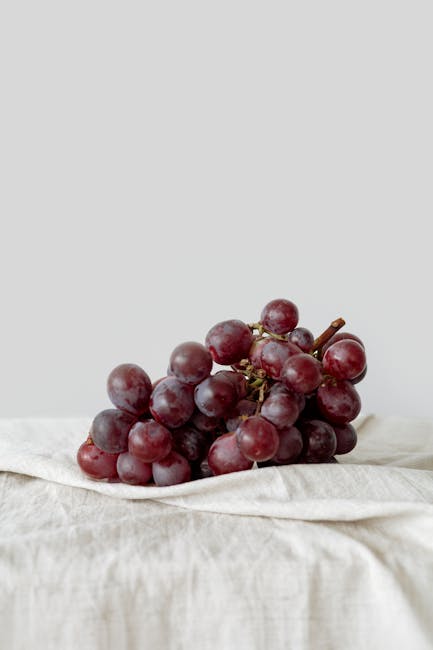
Honestly, growing UVA grapes can be incredibly rewarding, but it’s also a lot of work.
When I first planted my vines, I thought I just threw them in the ground and waited for magic.
Spoiler alert: that didn’t happen.
The first year was a total bust.
No fruit, just a lot of leaves.
After a few seasons of trial and error, I finally figured out that UVA grapes are picky.
They need structure, they hate competition, and they definitely don’t like being ignored. But there’s a catch.
If you are seeing green leaves but no fruit, you’re probably making one of the common mistakes most beginners make.
Do You Actually Know Your Growing Zone?
Before you even buy a single vine, you need to check your soil and climate.
UVA grapes—specifically the variety known for being vigorous and sweet—need a specific vibe to thrive.
They hate wet feet, but they also hate drying out completely.
I’ve seen so many people plant them in heavy clay soil without amending it, and the roots just rot.
It’s sad, really.
You need well-draining soil.
If your water sits on top of the ground for hours after a rain, you’re going to struggle.
- Soil pH: Aim for around 6.0 to 6.5.
Slightly acidic is best.
- Sunlight: They need at least 6 to 8 hours of direct sun.
The Tricky Art of Pruning (And Why People Fail)
But, here is where most of us mess up.
Pruning UVA grapes is terrifying. And this is where things get interesting.
You look at the vine, you see all that growth, and you think, “If I cut that, it’s gonna die.”
It feels counterintuitive, but you actually have to cut back hard to get fruit.
If you leave all the green growth, the plant puts all its energy into making leaves, which shades the fruit and leads to disease.
You need to keep the canes manageable.
If you want to get technical, you are looking for “spurs”—short pieces of wood with 2 to 3 buds each.
Don’t just hack randomly though; make sure you know the difference between new wood and old wood, or you might end up with a bare bush next year.
For a deeper dive on how to handle the cut, check out our Guide to Pruning UVA Vines.
Common UVA Vine Diseases You Need to Watch For
Most people don’t realize that grapevines are magnets for pests and fungus.
Once the fruit starts to set, you have to be vigilant.
The biggest enemy is usually mildew.
Powdery mildew looks exactly like it sounds: a white, powdery dust on the leaves.
It stops the plant from photosynthesizing properly.
If you see it, act fast.
A simple mix of water and baking soda sometimes helps, but sometimes you just have to remove the infected leaves to save the rest of the plant.
Also, keep an eye out for the Japanese beetle.
They love the leaves. Oddly enough,
I’ve found that hand-picking them in the early morning is the only way to keep them under control without using harsh chemicals.
If your leaves are turning yellow or looking weird, it might be a deeper issue. Now think about that for a second.
You should look up Common UVA Vine Diseases to diagnose the problem accurately.
Feeding Your Vines: Fertilizer or Doom?
It’s tempting to throw on a high-nitrogen fertilizer because you see all that lush green growth and think, “Wow, look at that!”
Stop. High nitrogen makes leaves, not fruit. Oddly enough,
If you want berries, you actually want phosphorus and potassium.
It feels wrong to starve them, but you have to hold back a little to force them to produce fruit.
Think of it like a teenager.
If you feed them too much junk food, they just get big and lazy.
You want to guide their energy toward something productive.
When and How to Harvest UVA Grapes
The moment you’ve been waiting for.
Usually, this happens in late summer or early fall, depending on the exact variety.
How do you know when they are ready? You taste them.
Seriously.
The skin should be tight but not tough, and the seeds should be dark.
If the grape is still green and crunchy, it’s not ready.
If it’s mushy, it’s overripe.
Don’t pull them off; snip them with scissors.
You don’t want to damage the vine for next year’s crop.
Once harvested, you can eat them fresh or turn them into wine or jelly.
UVA Fruit Recipes are a great way to use up a bumper crop if you can’t eat them all at once.
Tools of the Trade
You don’t need to buy a whole shed full of equipment, but quality does matter.
I cannot stress this enough: buy a good pair of bypass pruners.
Anvil pruners crush the stems, which can lead to rot.
Bypass pruners, on the other hand, cut clean like a scissor.
It makes a huge difference when you are working in the vines every day.
If you’re just starting, you might also want to look at a Best Soil for UVA Grapes mix to get the pH perfect before you plant.
Final Thoughts
Growing UVA grapes is a commitment.
It’s not a “set it and forget it” kind of garden.
It requires patience, a little bit of bravery to do the pruning, and constant observation.
But when you finally sit back with a glass of wine made from your own harvest, all those hours of work feel totally worth it.
It takes a few years to really get into a rhythm, so don’t get discouraged if your first few seasons are a struggle.
Image source: pexels.com
Image source credit: pexels.com