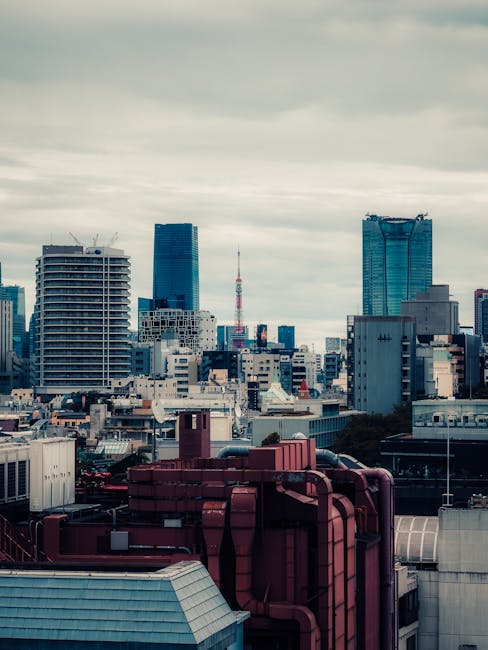
Look, Tokyo is intense.
It’s loud, it’s crowded, and sometimes it feels like everyone is trying to push you onto a train.
But honestly? It’s one of the most incredible places on earth.
I’ve been there a few times now, and I’ve made mistakes.
I’ve spent way too much money on overpriced coffee, and I’ve gotten hopelessly lost trying to find a specific station.
But I’ve also had moments of absolute magic.
I want to help you avoid the chaos and actually enjoy the city.
This isn’t some stiff, corporate guide. But there’s a catch.
This is how I would explain Tokyo to a friend.
When Should You Actually Go?
Most people ask, “What’s the best time to visit?” The honest answer is tricky.
Spring (March to May) is famous for Sakura (cherry blossoms), but if you go in late April, you might spend your whole trip in a massive crowd trying to take one picture of a pink tree.
It’s beautiful, sure, but exhausting.
Then there’s autumn (September to November).
The air gets crisp, the leaves turn gold, and the crowds thin out a bit.
It’s my personal favorite time.
Winter can be freezing, but the city lights look amazing against the snow.
Summer? Avoid it if you can, unless you enjoy sweating through three shirts a day.
The humidity is no joke.
Getting Lost in the Underground
Let’s talk about the subway system.
It works perfectly, but it is a nightmare if you don’t prepare.
The maps are colorful, sure, but they don’t always show you which exit is closest to the hotel or the specific restaurant you want.
Tip: Open Google Maps before you leave the house.
Check the exit numbers beforehand.
It saves you from wandering the streets like a zombie looking for the 3A exit.
You’ll need a way to pay.
You can use cash everywhere, but contactless is king.
Get a Pasmo, Suica, or an IC card.
They work on trains, buses, and even vending machines.
It’s a lifesaver.
If you don’t have one on arrival, you can buy one at the airport or on your phone via Apple Wallet.
Where to Stay: Don’t Just Pick a Hotel Name
I see so many travelers book a hotel just because it’s in Shinjuku or Shibuya.
They think it’s convenient.
And it is, but staying in the absolute center of the action can be overstimulating.
You want to be near a major train line, specifically the Yamanote Line, because it loops around the whole city.
If you stay on that line, you can get anywhere in central Tokyo without paying a transfer fee.
- Shibuya: The center of youth culture.
Great shopping and neon lights.
- Shinjuku: Busy, lots of bars, and the busiest train station in the world.
- Asakusa: Old school Tokyo.
Traditional temples and street food.
- Shinjuku / Tokyo Station: Good middle ground for first-timers.
Think about what you actually want to do.
If you want to see the crazy scramble crossing in Shibuya, stay there.
If you want to see the Imperial Palace, stay near Tokyo Station.
I usually recommend staying a block or two away from the main station to save a little money and find a quieter vibe.
Money and Eating on the Go
You don’t need to eat at high-end restaurants every night.
In fact, the best meals are often in tiny, hole-in-the-wall shops.
Grabbing a bento box from a convenience store (like 7-Eleven or Lawson) is totally normal.
It’s cheap, safe, and surprisingly good.
Just make sure you don’t accidentally eat a spicy noodle soup on the train.
Also, bring a portable charger.
Your phone battery will die by 3 PM because you’re taking photos of everything. And this is where things get interesting.
It’s unavoidable.
And do yourself a favor: download Google Translate with the camera feature.
It’s literally magic for reading menus.
Etiquette is Key (But Don’t Stress Too Much)
Japanese people are incredibly polite.
If you are polite, they will love you.
The biggest rule is probably about line etiquette.
Never cut in line.
Ever.
It’s taken very seriously.
Also, try to be quiet in public spaces.
Talking on the phone on the train can get you dirty looks, so keep your voice down or step out of the car.
Oddly enough,
Making the Most of Your Money
Since you are visiting, you probably want to save a bit.
One thing that confuses people is the JR Pass.
I’ve done the math, and for a typical tourist, it’s often not worth the price anymore unless you are doing a massive loop of the country.
For a simple trip to Tokyo, buying individual tickets is usually cheaper.
Check a JR Pass calculator online before you buy one.
Hidden Gems You Should Know About
If you’ve been to Tokyo a thousand times, maybe skip this part.
But if you’re here for the first time, avoid the tourist traps on Nakameguro or the main shopping streets in Harajuku.
Instead, walk towards Kagurazaka.
It’s called “Little Paris.” It has a really cool, historic vibe, cobblestone streets, and some amazing little curry places that aren’t crowded.
Another spot is Yanaka Ginza.
It’s a retro shopping street in the Yanaka district.
It feels like a step back in time.
You’ll see old houses, temples, and locals doing their daily shopping.
It’s peaceful, unlike the rest of the frantic city.
But there’s a catch.
Monetization Tip: Books vs.
Apps
While apps are great, sometimes you just need a physical map.
I always recommend picking up a Lonely Planet or Rough Guides guidebook at the airport or a bookstore.
It’s nice to have a book to flip through when you’re tired of your phone screen.
It gives you that offline backup you never know you need until you need it.
Final Thoughts
Tokyo is a city of millions of details.
The little things—the way the light hits a vending machine, the perfect presentation of a convenience store sandwich, the silence of a traditional temple—make it special.
Don’t try to see everything in one trip.
You’ll burn out. Now think about that for a second.
Just pick a neighborhood, get lost on purpose, and have a bowl of ramen.
That’s what it’s all about.
Image source: pexels.com
Image source credit: pexels.com