Table of Contents
- The Silence of the Marble
- More Than Robes and Gavels
- The Human Element
- Why the Court is Unpredictable
- What the Rulings Mean for You
The Silence of the Marble
And then there is the silence.
When you first walk into the Supreme Court building, it hits you.
It’s not just quiet; it’s heavy.
You’re standing in a room filled with white marble and history that’s literally crushing down on you from the ceiling.
I remember walking past the Great Hall and feeling like I was intruding on a secret club.
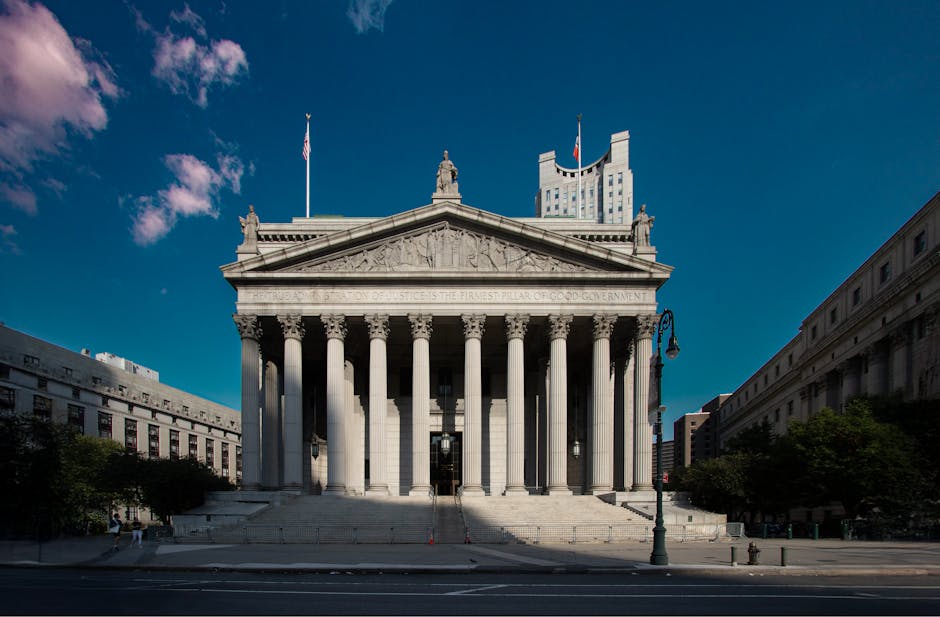
The building itself is designed to make you feel small.
It’s tall, it’s cold, and it’s incredibly imposing.
You look at the statues of former justices and you wonder, ‘Did they feel this small too?’ Probably not, because they were the ones making the rules, not just following them. And this is where things get interesting.
But for us mere mortals standing on the ground floor, it’s a reminder that the power sitting above us is absolute.
It’s a beautiful place, sure, but it’s also a terrifying one.
There’s a reason people line up for hours just to get a glimpse of the courtroom where history is made every few months.
More Than Robes and Gavels
You gotta admit, the image of the Supreme Court is pretty iconic.
White wigs, black robes, and a big wooden gavel.
It looks like something out of a movie set in 18th-century London.
But the reality is much grittier, much messier.
It’s not just about drama; it’s about legal arguments that last for hours.
The justices don’t just sit there and judge; they have to read thousands of pages of briefs before they even open their mouths.
It’s a grueling process.
I think a lot of people forget that these are human beings with quirks and bad days, just like the rest of us. Oddly enough,
They get tired.
They get hungry.
And sometimes, they definitely have disagreements.
But they have to hide it behind a veil of formality that is exhausting to maintain.
The court operates on a strict schedule that is, frankly, a nightmare to keep up with if you aren’t a full-time lawyer.
The clerks are the ones who actually keep the wheels turning.
They read the briefs, summarize the arguments, and write the opinions.
It’s a brutal, year-long process that takes over your life completely.
The Human Element
It is easy to view the Supreme Court as some kind of untouchable deity of law.
But we have to remember that these are just people.
People who have spent their entire lives studying the Constitution and arguing with each other.
And sometimes, they make mistakes.
We see it in the history books.
Sometimes they get it right, sometimes they don’t.
But the human element is what makes it so fascinating to watch today. And this is where things get interesting.
You’ve got these nine very different personalities sitting on a bench together. But there’s a catch.
Some are conservative, some are liberal, and some fall somewhere in the middle.
They come from different backgrounds.
Some were elected officials, some were academics, some were state judges.
They don’t always get along. But there’s a catch.
It’s a workplace, after all.
There’s office politics, ideological battles, and deep-seated beliefs that can make a courtroom argument feel less like a legal debate and more like a family reunion gone wrong.
It’s a delicate balance.
They have to work together to decide the fate of the nation, even if they can barely stand each other.
Justices as People
Think about it.
If you worked in an office with someone for decades, and you disagreed with everything they said, you might be a little grumpy about it.
The justices are no different.
But they have to maintain this façade of impartiality.
It’s a really hard thing to do.
You look at Justice Thomas, for example, and you see a man who rarely speaks during arguments.
Is he shy? Is he angry? Is he just thinking? We’ll never really know for sure.
It’s a mystery.
But that mystery is part of the allure.
They are enigmatic figures, wrapped in mystery and power.
And when they do speak, everyone listens.
The sound of a justice reading their opinion from the bench is unlike anything else.
It’s a hush that falls over the room, followed by the steady, rhythmic sound of the voice.
It’s a powerful moment.
It’s the sound of finality.
Once that voice stops speaking, the gavel comes down, and that’s it.
It’s over.
The decision is made.
Why the Court is Unpredictable
So, how do we know what the Court is going to do? Honestly, nobody really does.
It’s a complete guessing game most of the time.
That’s what makes it so exciting.
You can read all the legal analysis in the world, and you still might be wrong.
The court isn’t a math equation.
You can’t just plug in the facts and get the answer.
It’s a complex web of precedent, history, and political ideology.
Sometimes, the court surprises everyone.
It does the unexpected.
And that’s what keeps people coming back for more.
We want to know what they’re going to say next.
Are they going to strike down a law? Are they going to uphold it? Will they expand the rights of the people or restrict them? It’s a high-stakes poker game, and the rest of the country is watching the cards being dealt.
The Role of Precedent
Precedent is huge in the court.
It means that the decisions made in the past shape the decisions made today.
But precedent is also flexible.
The court can overrule its own decisions if it wants to.
It happens.
It’s rare, but it happens.
It’s a reminder that the law is not static.
It changes.
It evolves.
And sometimes, the court has to change with it.
It’s a delicate dance.
You have to respect the history of the institution, but you also have to look at the current reality of the world.
It’s a tough spot to be in.
You have to balance the opinions of the founders with the needs of the people living in the 21st century. Here’s the interesting part.
It’s not always easy.
And sometimes, the court gets it wrong.
We see it in history.
Sometimes they uphold slavery.
Sometimes they deny women the right to vote.
Sometimes they segregate schools.
It’s a reminder that the court is not perfect.
It is a human institution, and human institutions are flawed.
What the Rulings Mean for You
It’s easy to get caught up in the politics of it all and forget that the Supreme Court actually affects your daily life.
It’s not just about big, abstract concepts. Oddly enough,
It’s about your rights.
Your freedom.
Your ability to live your life the way you want to.
Think about it.
The court decides if you can say what you want.
It decides if you can practice your religion. Here’s the interesting part.
It decides if you can own a gun.
It decides if you can get married. Oddly enough,
It decides if you can get healthcare.
It decides if you can vote.
It decides almost everything.
And that is a lot of power. Oddly enough,
It’s a lot of responsibility.
And sometimes, the court gets it right.
And sometimes, they don’t.
But you have to trust the process.
It’s the best system we’ve got.
It’s not perfect, but it’s better than the alternatives.
And it’s a system that has stood the test of time. And this is where things get interesting.
It’s survived wars, depressions, and pandemics.
It’s a testament to the resilience of the American experiment.
And it’s a system that we all have to believe in, even when we disagree with the outcome.
- Impact on daily freedoms
- Role in the economy
- Influence on state laws
- Future of legal education
- International perspective
- The clerkship experience
- Access to the court
So, the next time you hear the news breaking about a big ruling, take a deep breath.
It’s a big deal.
It’s a historic moment.
And it’s a reminder of the incredible power of the American judiciary.
It’s a reminder that we are a nation of laws. Now think about that for a second.
And that those laws are interpreted by people. But there’s a catch.
People who are fallible.
People who are human.
And people who have the power to change the world.
It’s a scary thought, sure.
But it’s also a hopeful one. Here’s the interesting part.
It means that we can all have a say in the future.
It means that we can all have a voice.
It means that we are all part of this great experiment.
And that is something worth fighting for.
That is something worth protecting. Oddly enough,
That is something worth remembering.
Even when the marble feels cold and the silence feels heavy, we have to keep going.
We have to keep speaking. Here’s the interesting part.
We have to keep watching.
Because that is the only way we can ensure that the court stays true to its principles.
That is the only way we can ensure that the law remains a force for good in the world.
It’s a heavy burden, but someone has to carry it.
And that someone is us.
Image Source: Photo by Pexels
Image source credit: pexels.com