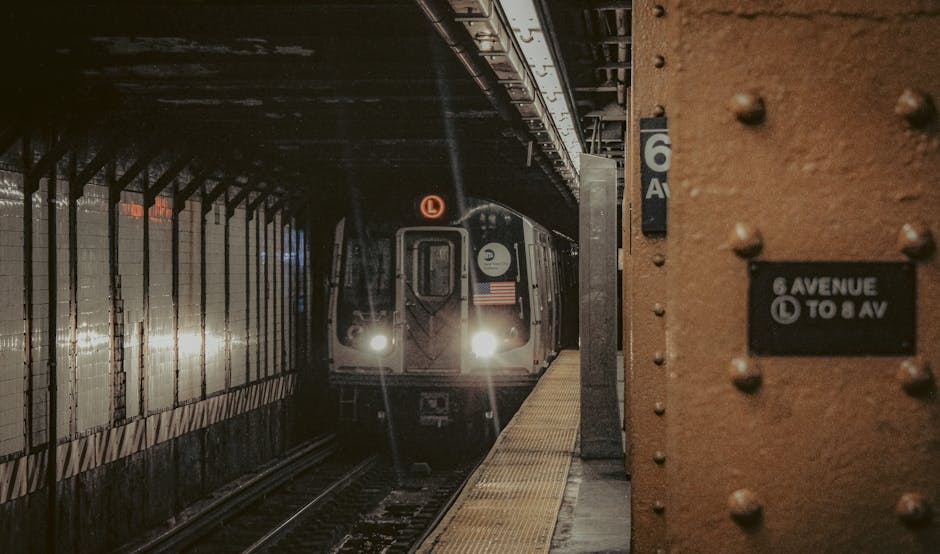
So, you’re looking at the MTA, and honestly, it looks like a beast.
The subway signs are confusing, the buses are slow, and half the time the screen says “Good Service” but you’re stuck standing on a platform for twenty minutes.
From what I’ve seen, most people treat the MTA like a maze they just want to escape.
But once you actually understand the system—it’s actually pretty reliable.
You just have to know how to play the game.
Whether you’re a daily commuter or just visiting for the weekend, here is the real deal on getting around.
Getting On Board: OMNY vs.
The Old Card
First things first: the MetroCard is basically a piece of history.
They’re still out there, and you can use them, but you really shouldn’t. But there’s a catch.
It’s 2024, folks.
Now, we have OMNY.
It’s that little reader you tap on the turnstile.
And I honestly think it’s better. You don’t have to fumble for exact change, and you don’t have to worry about the card getting ruined in your pocket.
Just tap and go.
The only downside? Sometimes the sensor acts up if your hands are wet or if you’re wearing a thick coat, but that’s rare.
Why You Should Ditch the MetroCard
And this is where things get interesting.
- Speed: Tap, walk.
It’s instant.
- Convenience: No plastic to lose or scratch.
- Accessibility: Works great with wheelchairs and bikes.
Fares, Passes, and Your Wallet
Money is tight, right? The MTA knows this.
That’s why they push the 7-Day Unlimited Ride so hard. Here’s the interesting part.
If you’re riding every single day, that $33.50 (or whatever the current rate is) basically pays for itself on day three.
If you’re not a daily rider, the Pay-Per-Ride option is better.
It feels like you’re getting ripped off every time you tap out, but mathematically, it works out if you only take two or three trips a week.
Most people overlook this and just buy a single ride when they’re in a rush, which ends up costing them way more in the long run.
Transfers: The Tricky Part
Transfers are where most people get hit with extra charges.
You can transfer from Subway to Bus for free, but Bus to Subway? That usually costs an extra $0.55.
It adds up.
Also, watch out for the Express Bus vs.
Local Bus distinction.
The express bus is faster because it doesn’t stop as much, but it costs double the subway fare.
If you’re rushing, grab the express.
If you’re tired and want to see the city, take the local.
Dealing with Delays and Service Alerts
Oddly enough,
Here’s the honest truth: delays happen.
They always have, and they always will.
But how you react matters.
Don’t just stand there staring at the lit-up board.
Check the MTA Service Alerts on their website or the app.
If there’s a signal problem on the L train, don’t get on the L train.
And let’s talk about the Weekend Work.
The MTA does massive construction on weekends because, apparently, they don’t want to stop service when people are actually trying to get to work.
It’s annoying, yes.
But plan for it.
If the schedule says “Good Service” on the sign but the train is packed, trust the people standing next to you over the board.
Now think about that for a second.
Using the Right Tools
There are a ton of apps out there, but most of them are pretty bad at real-time updates.
The official MTA Train Time app is usually your best bet for tracking exactly when the next train is arriving.
If you use Google Maps or Citymapper, they are surprisingly good at routing you around known delays.
They’ll tell you, “Train is delayed 15 minutes, take the G instead.” That little bit of info saves you so much stress.
Navigating the Network
If you’ve never ridden the subway before, the map is a work of art, even if it doesn’t look like a real map.
The lines are color-coded for a reason.
If you’re at 34th St and 8th Ave, you’re at a hub.
Here is a quick tip: Don’t be afraid to ask.
New Yorkers are busy, but if you point at your map and ask, “Which way to Grand Central?”, 9 times out of 10, someone will help you.
We all hate being lost.
The Golden Rules of the Subway
- Stand on the right: Let people walk on the left.
It’s just polite.
- Don’t block the door: Move in, then move in deeper. Oddly enough,
We’re trying to get out too.
- Check your belongings: It sounds cliché, but keep an eye on your phone.
Conclusion
The MTA is a flawed system. Now think about that for a second.
It’s old, it’s loud, and it’s often crowded.
But it connects the entire city, and once you crack the code—tap, pay, ride—you realize it’s actually the best way to see New York.
Just give yourself a little extra time and maybe download that app.
Image source: pexels.com
Image source credit: pexels.com