Table of Contents
- 1.
The Scent of Diesel and Salt
- 2.
The Illusion of the Open Sea
- 3.
Life on the Bridge
- 4.
The Engine Room Gang
- 5. Here’s the interesting part.
Below Decks: The Reality of the Mess Hall
- 6.
The Psychological Toll
- 7.
Why People Still Do It
The Scent of Diesel and Salt
You know that smell, right? It hits you before you even see the water.
It’s a mix of old diesel fuel, wet canvas, and the distinct, briny tang of the ocean air.
For most people, that smell means a vacation or a weekend getaway.
For a mariner, that smell means home.
It’s the smell of the ships that carry the world’s goods, the tankers that keep our lights on, and the fishing boats that feed our cities.
But being a mariner isn’t just about standing on the bow and watching the sunset.
It’s gritty, it’s demanding, and it requires a thick skin.
Honestly, I think people watch *Moby Dick* or *The Perfect Storm* and think it’s all cool sailing and dramatic music.
That’s not how it usually goes.
It’s a lot of staring at radar screens and eating reheated meals.
The Illusion of the Open Sea
There is a massive difference between watching a movie and actually working the water.
When you see a mariner in a film, they are usually clean, their hair is windblown in a perfectly attractive way, and they are having philosophical conversations under the stars.
Real life is a lot messier. Now think about that for a second.
And I mean, really messy.
The isolation is the first thing that kicks you in the teeth.
You don’t just go home at night.
You’re stuck in the middle of the Atlantic for weeks or months at a time.
You can’t just pop out to the store for milk.
You can’t call a friend to grab a beer.
It’s just you, the guys (or girls) on the watch, and the endless horizon.
And then there’s the boredom.
It sounds weird to complain about boredom when you’re at sea, but it’s real.
I remember standing watch on the bridge once for four hours straight.
Nothing happened. But there’s a catch.
No ships, no whales, just the water sloshing against the hull.
Your mind starts to play tricks on you.
You start staring at the same wave pattern for an hour.
It gets to a point where the only excitement is a container drifting out of place or a navigation buoy blinking out of sequence.
It’s the kind of boredom that makes you appreciate the smallest things, like a clean pair of socks or a hot shower, which are luxuries you don’t get every day.
Life on the Bridge
Let’s talk about the deck crew, the guys actually steering the ship.
They are the face of the mariner to the world.
They spend their time on the bridge, which is the nerve center of the vessel.
It’s where the navigation happens.
They aren’t just looking out the window anymore; they are staring at complex computer systems, GPS, and autopilots.
But they still have to watch the horizon.
It’s a tough job, especially in rough weather.
I’ve seen guys standing on the bridge wing, rain coming sideways, holding onto a rail so tight their knuckles are white, trying to make sure the vessel doesn’t slam into a rock or a another ship. But there’s a catch.
It’s high stress, even when things are calm.
The Engine Room Gang
Then there is the engine room.
This is where the magic happens, or at least, where the fire happens.
This is the domain of the engineers.
These guys run the physical machinery of the ship.
They are the ones fixing the turbines, keeping the boilers running, and making sure the water purifiers don’t explode.
It’s loud down there.
Really, really loud.
You have to shout to be heard.
The heat is unbearable in the summer.
These mariners are the unsung heroes of the industry because without them, the ship is just a floating metal box.
They work in 4-hour shifts around the clock, 365 days a year.
It’s hard, physical labor, and it takes a specific kind of person to enjoy it.
Below Decks: The Reality of the Mess Hall
If you think the food is going to be gourmet because you’re at sea, think again.
The galley is usually run by a steward or stewardess who is doing their absolute best with limited equipment and a strict budget.
The food is often canned, frozen, or dehydrated.
You get sick of potatoes.
You get sick of pasta.
But let me tell you, nothing tastes better than a hot meal that wasn’t cooked in a dorm microwave.
The mess hall is also the social heart of the ship.
It’s where the crew sits down, eats, and tells stories.
It’s where you hear about the places they’ve been, even if they can’t show you pictures. And this is where things get interesting.
It’s the only time you really feel connected to the world of humans.
The Psychological Toll
Being a mariner takes a toll on the mind as well as the body.
You are cut off from your support network.
When things go wrong, and they will, you can’t just drive home to your spouse.
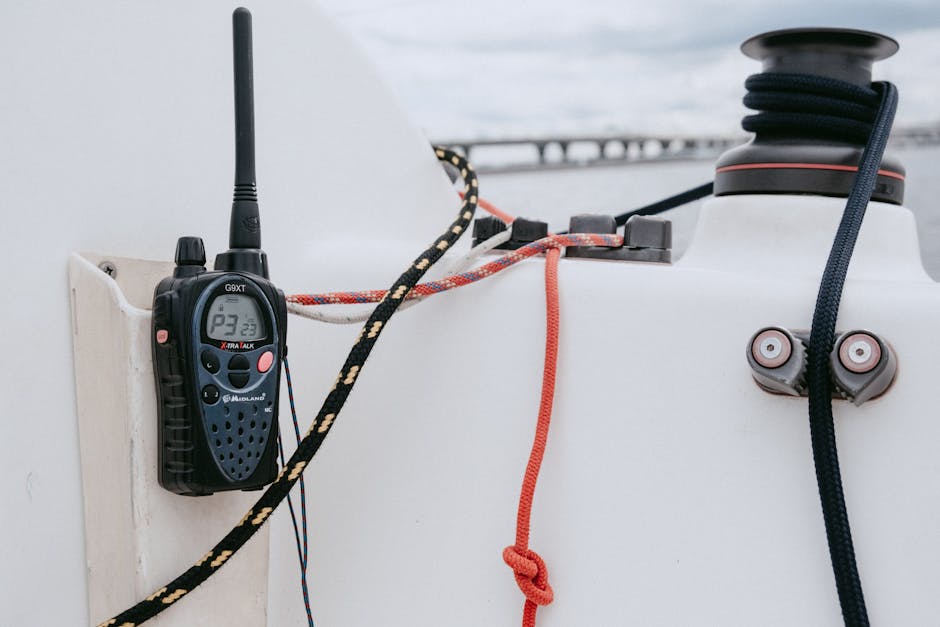
You have to fix it yourself, or rely on the limited help available via satellite phone or radio.
There is a high rate of divorce among mariners because of the time spent away from home.
It’s a sacrifice that not everyone is willing to make.
You have to be mentally strong to handle the monotony and the stress.
It’s not for everyone.
If you need constant human contact, this isn’t the job for you.
But if you like your space, and you like the feeling of independence that comes with it, it’s perfect.
Why People Still Do It
So, if it’s so hard, so lonely, and the food is so bad, why do people do it? Well, there is a certain freedom to it.
You are your own boss out there.
You don’t have to deal with office politics, traffic, or the daily grind of the rat race.
You get to see places that most people will never see.
You can see the coast of South America, or the coast of Africa, or the North Sea in the dead of winter.
It’s a life of adventure, even if the adventure is just fighting a fire in the engine room at 3 AM.
Plus, the pay can be pretty good.
You trade your time for money, which allows you to save up and do something different when you get back to land.
The Skills You Need
- Navigation: Knowing where you are and where you are going is step one.
- Mechanical Aptitude: Understanding engines, pumps, and generators.
- Safety Protocols: Knowing how to use a fire extinguisher and life rafts.
- Patience: The ability to sit still for long periods of time.
- Adaptability: Being able to fix a problem when you don’t have the right tools.
At the end of the day, mariners are a breed of their own.
They are resilient, adaptable, and hardworking.
They keep the global economy moving, even when the seas are rough. And this is where things get interesting.
It’s a life that requires a special kind of spirit.
It’s a life of salt in the blood and a song in the heart.
So, the next time you see a container ship or a tanker passing by, take a second to look at it.
You’re looking at a lot of human effort.
You’re looking at a group of men and women who left their families to go somewhere no one can reach them easily, just to bring you the things you need.
That is the real story of the mariner.
Photo by Pexels from Transportation.
Image source credit: pexels.com