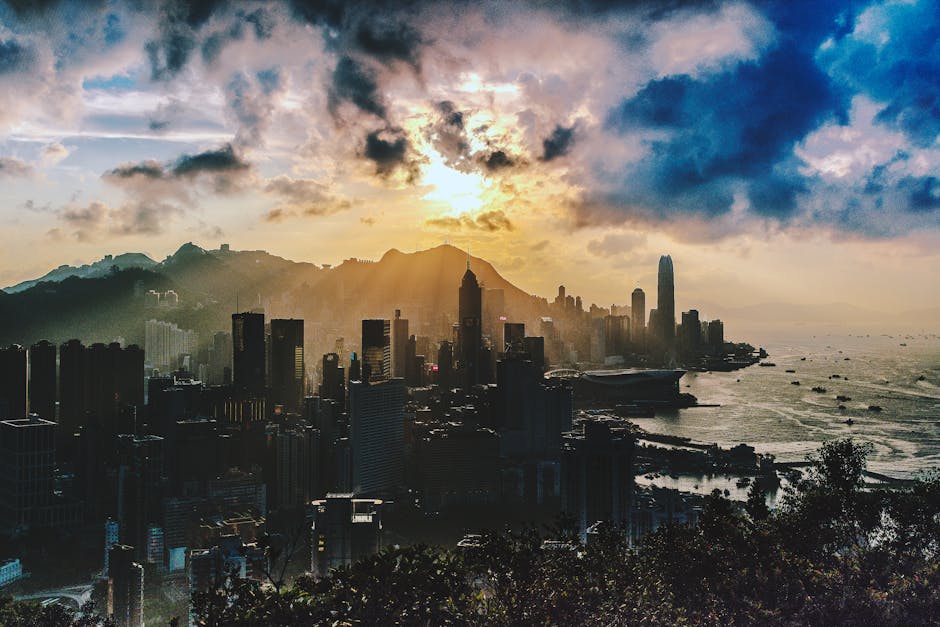
Look, I’ve been seeing the photos on Instagram.
Neon lights, high-end cocktails, hiking trails with views that look like they’re from a sci-fi movie.
It’s easy to think moving to Hong Kong is the move.
It’s the Manhattan of Asia, right?
But hold up.
I lived there for three years, and I can tell you that the reality is way messier than the social media feed suggests. Oddly enough,
A lot of people arrive thinking they’ll figure it out, only to find themselves stressing over a moldy apartment or a bank account that just won’t seem to balance.
So, is it worth it? That depends.
If you want the quick answer, no—it’s not for everyone.
But if you can handle the humidity and the noise, it’s an incredible place to grow up fast.
Here is the real talk on what actually happens when you move to the city.
1.
The Rent Trap: It’s Not Just Expensive, It’s Weird
Let’s start with the elephant in the room: the housing.
From what I’ve seen, most people underestimate how brutal the rental market is until they’re staring at a tenancy agreement they can barely afford.
First off, the pricing is crazy.
You aren’t just paying for a flat; you’re paying for the location.
A studio in Central can cost more than a three-bedroom house in many other countries.
And the quality? Honestly, it’s hit or miss.
You get these subdivided units where the walls are paper-thin, and you can hear your neighbor cooking dinner.
I remember finding a place once that looked amazing online, but when I got there, the “balcony” was basically a cat walk with a safety rail that didn’t even reach the ground.
It’s a struggle.
Also, most leases require a six-month minimum, which ties you down if you’re just visiting or testing the waters. Oddly enough,
And don’t get me started on agency fees—usually one month’s rent plus the deposit.
That’s a huge upfront hit.
2.
The Food: Cheap but Greasy (Good Kind)
Okay, this is the part of Hong Kong that actually feels like a dream.
The food scene is unmatched.
You can get a plate of stir-fried noodles or a curry fish ball for like three or four bucks.
The street food culture is alive and kicking.
But here is the thing: everything is fried.
Deep-fried pork chops, deep-fried rice cakes, egg tarts… And this is where things get interesting.
it’s delicious, but after a few months, you start feeling like you’re floating on a cloud of oil. Oddly enough,
And finding a salad is genuinely hard.
Most “healthy” places just serve boiled cabbage with dressing.
If you’re not careful, you’ll gain ten pounds in your first month just from eating Dim Sum.
3.
Transportation is a Game Changer
If you hate driving, Hong Kong is basically paradise. Oddly enough,
The public transit system, the MTR, is incredibly efficient. Here’s the interesting part.
You can get almost anywhere in the city within 45 minutes max.
It’s safe, it’s clean, and it runs on time.
However, getting out of the main districts can be a nightmare.
On a Friday evening, the trains get so packed that people literally hold on to straps over your head just to stay upright.
And if you don’t have an Octopus card (the reloadable transit card), you’re basically lost.
You can buy one at 7-Eleven, but the process can be a bit finicky if you don’t have a local ID.
4.
The Weather: Hot and Humid
I really think people forget about the weather.
It’s not just “hot.” It’s wet.
In the summer, it feels like you’re walking inside a steamer.
You leave your house with dry hair, and by the time you get to the office, you’re already sweating through your shirt.
And then there are the typhoons.
Yes, they bring cool air and a break from work, but power outages are common, and flights get cancelled.
I once spent three days stuck in a hotel because a Category 12 storm blew through.
It can be pretty chaotic if you aren’t prepared.
5.
The Visa Situation for Foreigners
Here is the harsh truth for digital nomads or those looking to work remotely: it’s getting harder.
The city has tightened up on visa rules recently, especially for those on freelance or remote work visas.
You used to just show up and find a job, but now they’re cracking down.
If you want to stay long-term, you usually need a sponsor from a company.
It’s frustrating because the city needs talent, but the bureaucracy is strict.
You might want to look into Hong Kong working visas a few months before you book your ticket, just to be safe.
Here’s the interesting part.
6. Here’s the interesting part.
Where Should You Actually Live?
If you do decide to stay, picking the right neighborhood is key.
If you’re young and single, places like Causeway Bay or Mong Kok are buzzing at night, though incredibly expensive.
If you have a family, you’re probably looking at the New Territories, like Tseung Kwan O or Tuen Mun, where it’s quieter and you can actually breathe.
Don’t just rely on Google Maps.
I spent weeks looking at “luxury” apartments that turned out to be infested with cockroaches.
Talk to locals, walk around the streets at night, and see if you can actually handle the noise level.
Moving Your Money: A Quick Tip
One small thing that saved me was how I handled my money. Oddly enough,
When I first moved, I was using my home bank’s debit card and getting slapped with fees every time I used it.
I eventually switched to a low-fee international transfer service, and the savings were massive.
It’s one of those boring admin things that makes life so much easier when you’re trying to live on a budget in a pricey city.
7.
The Social Scene: It’s Intense
Lastly, let’s talk about the pace.
Hong Kong is a 24/7 city.
It never sleeps.
The energy is contagious, but it can also be exhausting.
If you’re the type of person who needs alone time to recharge, you might find the constant noise a bit much.
But if you love meeting new people, going out late, and experiencing a culture that never stops moving, you’ll thrive here. Oddly enough,
Just make sure to schedule some “me time” or you’ll burn out fast.
Final Thoughts
Hong Kong is a love-or-hate relationship.
It will test your patience, drain your wallet, and make you sweat in the humidity.
But the skyline at night? The food? The feeling of accomplishment when you finally figure out the subway system? Yeah, it’s worth it.
Just be prepared for a bit of a shock to the system when you arrive.
Image source: pexels.com
Image source credit: pexels.com