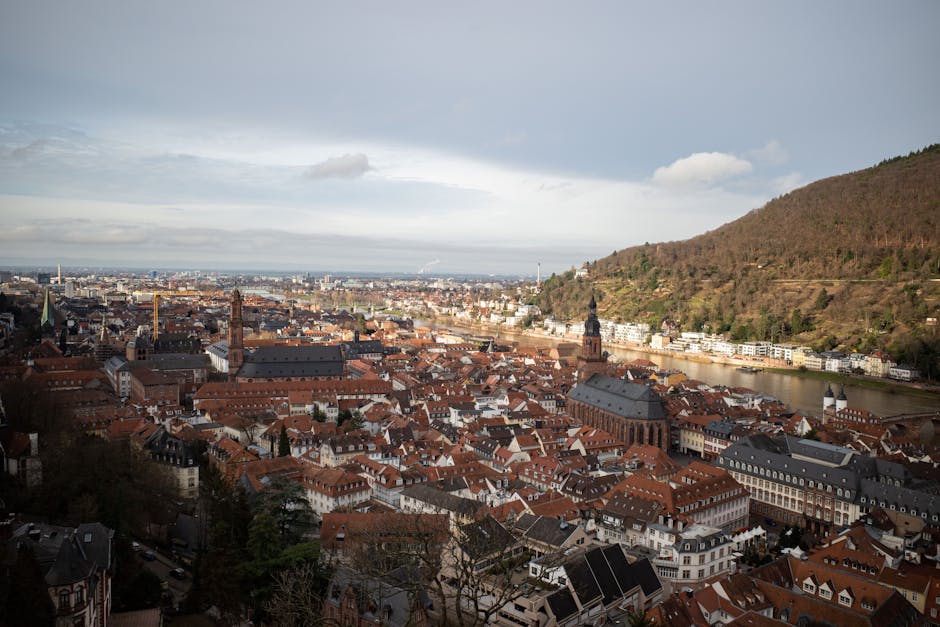
Germany is one of those places everyone talks about, but when you actually get there, the reality is a little different from the brochures.
I spent a year living there, and let me tell you, it’s not just about castles and strict order. And this is where things get interesting.
It’s a mix of incredible efficiency, surprisingly chill vibes in the countryside, and some quirks that might trip you up if you aren’t ready.
From what I’ve seen, most travelers rush through Berlin and Munich without understanding how the rest of the country actually works, and they miss out.
If you are planning a trip, you probably have a lot of questions.
Is it always cold? Do they really only take cash? Let’s break it down.
Table of Contents
- When to Visit Germany
- Getting Around: Trains and Cars
- The Big Cities: What to Expect
- Food and Drink: Beyond Sausages
- German Etiquette and Culture
When to Visit Germany
Okay, let’s talk about the weather. But there’s a catch.
Germany is big, so the weather changes a lot depending on where you are.
The south (Bavaria) is usually warmer, while the north can be chillier.
Best Time: Late spring (May to June) and early autumn (September to October) are honestly the sweet spots.
The days are long, the crowds are manageable, and the prices are lower than peak summer.
If you love Christmas markets, you have to go in December.
But be warned: it gets dark by 4:00 PM, and it’s freezing.
You will need layers, even in summer.
Getting Around: Trains and Cars
Germany has probably the best train system in the world. Now think about that for a second.
The Deutsche Bahn (DB) connects almost every small town to the big cities.
If you want to see the countryside, taking a train is the best option.
It’s comfortable, clean, and you can grab a beer from the bar car.
But here is the catch: tickets can be expensive if you don’t book in advance.
If you want flexibility, renting a car is great for road trips through the Black Forest or the Romantic Road.
Pro tip: The trains in Germany are sometimes delayed.
It happens.
Don’t stress too much.
The Big Cities: What to Expect
Germany has four main cities that are worth your time.
- Berlin: This is the creative hub.
It’s gritty, historical, and full of street art. And this is where things get interesting.
It’s perfect if you like museums and nightlife.
- Munich: The capital of Bavaria.
It’s a mix of old-world charm and modern luxury.
It’s very clean and safe.
- Hamburg: A port city with a lot of water.
It’s great for foodies and boat lovers.
It feels a bit more relaxed than Berlin.
- Frankfurt: The financial center.
It has a massive skyscraper district but also a lovely old town called Römerberg.
Most people spend a lot of time in Berlin, but if you have time, take a trip south to the The Rise and Fall of the German Giants: A Deep Dive into Bayern Munich“>Bavarian Alps.
The views are insane.
Food and Drink: Beyond Sausages
Sure, there is Bratwurst and pretzels, but German food is so much more than that.
It’s hearty.
It’s comforting.
Start your day with a Brezel (pretzel) from a bakery.
It’s best when it’s warm.
For lunch, try a Döner Kebab. Here’s the interesting part.
Even though it’s Turkish, it’s basically Germany’s national dish now.
Don’t skip the wine.
Germany is famous for Riesling.
If you go through the Mosel Valley, the vineyards are beautiful and the wine is cheap.
German Etiquette and Culture
There are a few things you need to know to not look like a total tourist.
Cash is King: I know this sounds old school, but many places in Germany, especially smaller cafés and traditional restaurants, do not accept credit cards.
You need cash.
Always have some D-Marks (Euros) on you.
Punctuality: Being on time is huge here.
If you have an appointment for 8:00 AM, don’t show up at 8:15.
It’s considered rude.
The Queue: If you see a line, get in it. And this is where things get interesting.
Jumping the line is a major no-no.
Germany is a fantastic destination.
It’s safe, the infrastructure is top-notch, and the people are generally very welcoming once you get past the initial stiffness.
It can be a bit expensive compared to Eastern Europe, but the quality of life is unmatched.
Just remember to bring your wallet and your patience for the bureaucracy.
Image source: pexels.com
Image source credit: pexels.com