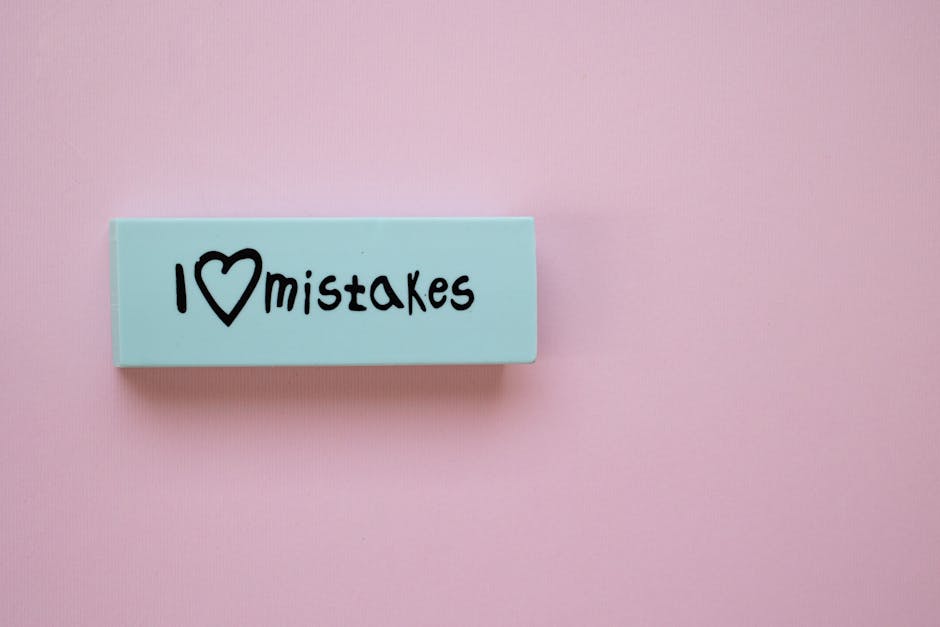
Let’s be honest, nobody wants to talk about the stuff that could ruin them.
We all pretend we are invincible, like we’re going to dodge every bullet. Here’s the interesting part.
But from what I’ve seen over the years—working with people who are currently regretting their choices—most major disasters aren’t accidents.
They are the result of a series of small, ignored decisions that add up to one massive problem.
We call them “big mistakes,” but usually, they are just a lack of foresight mixed with a little bit of denial.
Here is the thing about big mistakes: they rarely hit you all at once.
They creep in.
The rent gets too high, you ignore the red flag in a relationship for one last try, or you skip that gym session because you’re “too tired.” And before you know it, you’re in a situation that feels incredibly heavy to escape.
Table of Contents
- 1.
The Financial Trap of “Keeping Up With The Joneses”
- 2.
Big Mistakes in Relationships: Ignoring the Red Flags
- 3.
Career Stagnation: Staying in a Toxic Environment
- 4.
The Health Blind Spot
- 5.
Burning Bridges
- 6.
Neglecting Emotional Intelligence
- 7.
Why We Don’t Learn From Mistakes
The Financial Trap of “Keeping Up With The Joneses”
Money is weird.
We think we need a lot of it to be happy, but most people make a huge mistake by focusing on the *number* rather than the *flow*.
I know this sounds like generic financial advice, but hear me out.
I’ve seen people making six figures who are broke, and people making half that who are debt-free and happy.
The difference isn’t just income; it’s the mindset.
The biggest mistake here is lifestyle creep.
You get a raise, you buy a nicer car, you move into a fancier apartment.
It feels good for a month.
Then the bills come. Here’s the interesting part.
Suddenly, you aren’t building wealth; you’re just servicing a lifestyle that you can’t really afford.
And when you stop spending, you feel like you’ve failed.
That is a dangerous place to be.
The Downside of Impulse Spending
It’s not just big purchases.
It’s the daily coffee, the subscription services you never use, the “just one more” click on Amazon.
These small leaks sink the ship.
The goal should be to spend money on experiences that actually matter to *you*, not to impress people you don’t even like that much.
Big Mistakes in Relationships: Ignoring the Red Flags
This is the one that hurts the most.
We all have that gut feeling, right? That little voice in the back of your head that says, “This feels off.” But what do we do? We ignore it.
We rationalize it.
We tell ourselves, “They’re just having a bad week” or “Maybe I’m overreacting.”
Ignoring the red flags is hands down one of the most common big mistakes people make.
It usually starts with small things—texting back late, not listening, maybe a little bit of jealousy. Here’s the interesting part.
Then it escalates.
But because we are desperate for connection, we convince ourselves that we can “fix” them.
Spoiler alert: you can’t.
You can only change your own reaction to them.
Another huge error is prioritizing potential over compatibility.
We fall in love with who we *want* someone to be, not who they actually are.
If the person you’re with doesn’t align with your core values, the relationship will eventually become a battleground.
And trust me, it’s exhausting.
Career Stagnation: Staying in a Toxic Environment
There is a strange fear of leaving a job.
I call it the “golden handcuffs” or just pure inertia.
People stay in toxic jobs for years because of the security.
They tell themselves, “At least I have health insurance.” It’s a valid concern, sure, but staying somewhere that destroys your mental health is a big mistake.
You end up becoming bitter.
Every day you drag yourself to a desk you hate, you lose a little bit of your spark. Now think about that for a second.
Your professional skills atrophy. And this is where things get interesting.
You stop networking. Oddly enough,
It’s a slow fade into obscurity. But there’s a catch.
The smart move, even if it’s scary, is to have a plan.
A transition plan.
Maybe you take a pay cut to leave, or maybe you upskill while you’re still employed so you can jump ship.
The Opportunity Cost
Think about it this way: the time you spend being miserable at a job is time you aren’t spending building something you actually love. Here’s the interesting part.
That’s the real cost.
The Health Blind Spot
Most of us take our bodies for granted until they start screaming for attention.
And then it’s too late.
The big mistake here isn’t skipping the gym once or eating a burger.
The mistake is the long-term neglect.
I’ve met people in their 30s who already have back problems, high blood pressure, and constant fatigue. Here’s the interesting part.
It’s not normal.
We think we are invincible because we’re young.
We think we can just “crunch the numbers” and fix it later.
But your body is the only vehicle you have for this ride called life.
Treat it right, or it will leave you stranded.
Burning Bridges
There is a saying that “you never burn bridges because you never know who you’ll need later.” In the age of LinkedIn and social media, this is more true than ever. And this is where things get interesting.
We get into arguments, we get fired, we get rejected.
Our egos flare up, and we want to lash out.
We send that angry email, we badmouth our boss on social media, or we ghost our friends.
It feels satisfying in the moment.
But the future is small.
People remember how you treated them when things went wrong.
Being the person who stays cool, professional, and kind even when you’re leaving a bad situation? That is a power move.
Burning bridges closes doors behind you that you might want to walk back through someday.
Neglecting Emotional Intelligence
This is the one I see most often in successful people.
They get good at their jobs, they make the money, but they can’t connect with anyone on a human level.
Emotional intelligence—EQ—is the ability to understand and manage your own emotions and empathize with others.
People with low EQ often wonder why their marriages fail or why they can’t keep good friends.
They blame “bad luck” or “bad timing.” But usually, it’s because they are self-absorbed or unable to regulate their own reactions.
Learning to listen, to apologize without making it about yourself, and to understand someone else’s perspective? That is a skill set that will serve you better than any degree ever could.
Why We Don’t Learn From Mistakes
Okay, so we know what the big mistakes are.
But why do we keep making them? The human brain is wired for survival, not for long-term happiness.
We are programmed to seek immediate gratification and avoid short-term pain.
That’s why saying “no” is so hard, and why we choose comfort over growth.
But here is the key: mistakes aren’t fatal.
They are just data.
Every failure is a lesson if you actually take the time to analyze it.
I think the real mistake isn’t making the mistake itself, but not reflecting on it.
If you trip over a rock and break your leg, you’re going to look at that rock and remember where it is next time.
But if you trip and just dust yourself off and keep walking, you’re going to trip again.
So, take a look at your life right now.
Are you making any of these big mistakes? Don’t beat yourself up.
Just notice them.
Awareness is the first step toward fixing them.
Start small today.
Maybe it’s cutting up one credit card, or sending that text message you’ve been putting off, or just going for a walk.
You don’t have to fix everything at once.
You just have to stop making the same error over and over again.
Stay sharp out there.
Image source: pexels.com
Image source credit: pexels.com