And let’s be honest, nothing hits quite like the Champions League. Oddly enough,
If you are a true football fan, you know that Tuesday or Wednesday nights don’t mean anything else.
It’s just that time of the week when the whole world stops to watch the best clubs battle it out for the biggest prize in club football.
But is it really just about the games? No, it’s about the history, the drama, and the sheer magic that happens when you put the best players on the same pitch.
The UCL isn’t just a tournament; it’s a lifestyle for millions of supporters glued to their screens or standing in freezing rain at a stadium in Manchester or Munich.
It’s the one competition where anything can happen, and often does.
Table of Contents
- The History Behind the Trophy
- The Atmosphere: Why the Stadium Matters
- The Modern Game: Tactics and Stars
- The Business of the Beautiful Game
- Why We Keep Coming Back
The History Behind the Trophy
So, where did it all begin? The tournament that we now call the UEFA Champions League actually started way back in 1955 as the European Cup.
It was a simple competition for the top teams in Europe, but it grew into something massive.
We have to look at the evolution of the competition to really understand its weight.
It wasn’t until 1992 that it was rebranded as the Champions League, adding group stages and league formats that make it what it is today. Now think about that for a second.
There is a massive amount of history tied to this competition, with certain clubs like Real Madrid hoisting the trophy more times than we can count.
It feels like they have a copyright on the word ‘winning’, doesn’t it?
But it’s not just about Real Madrid, although they are the kings of the mountain.
We see teams like AC Milan, Liverpool, and Barcelona building their own legacies in this competition.
Every time a team lifts the trophy, they are writing a new chapter of history.
It is important to remember that not every team wants to be in the UCL.
Some actually prefer the domestic league grind because the Champions League is a different beast entirely.
It is high stakes, every single match counts, and the pressure is absolutely suffocating. Here’s the interesting part.
We see great domestic teams fail spectacularly in Europe because they don’t adapt.
The Theatre of Dreams
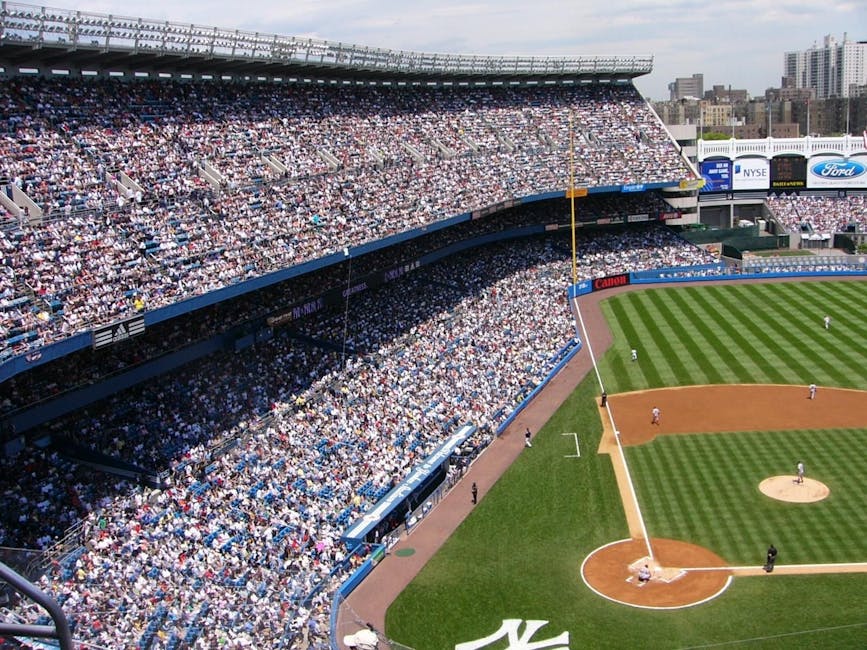
There is a difference between watching a game on a 50-inch TV and actually being there.
The atmosphere in the Champions League is unique, mostly because the stakes are higher.
When you walk into a stadium like the Bernabéu or the Camp Nou, you can feel the electricity in the air.
It’s louder than any domestic match, and the flags and scarves make the place look like a sea of color.
Even the away fans, usually a minority, create an atmosphere that is intimidating and passionate.
But, the home advantage is real here.
The noise when the ball hits the net can literally shake the foundations of the stadium. Here’s the interesting part.
It’s a sensory overload that you can’t replicate at home.
When a player steps onto that pitch, they are playing for more than just three points.
They are playing for the club, the city, and the millions of fans watching back home.
It creates a pressure cooker environment that brings out the best in players, but also breaks the worst of them.
You see moments of pure genius mixed with head-scratching mistakes.
That is the beauty of it.
It’s human.
We watch these athletes make mistakes, trip over their own feet, or miss open goals, and we still get invested.
Why? Because we feel like we are there.
The broadcast quality is so good now that it feels like you are sitting in the front row.
The Modern Game: Tactics and Stars
But let’s talk about the football itself, because it has evolved so much.
The tactical battles we see now are insane.
Managers spend hours, maybe even days, studying footage of their opponents. But there’s a catch.
We see teams playing with five defenders, sometimes six, just to shut down a player like Kylian Mbappé or Erling Haaland.
It’s like a game of chess played at 100 miles per hour.
And when a manager like Pep Guardiola or Carlo Ancelotti changes things up in the 60th minute, it can completely flip the script of the game.
It’s fascinating to watch.
However, talent always finds a way to shine through, doesn’t it? You cannot build a defense that can stop pure skill forever. Oddly enough,
We see these young stars burst onto the scene, scoring goals that look impossible.
They make the game look easy, even though we know it is the hardest game on earth.
The individual brilliance often decides these tight games.
A moment of magic, a deflected shot, a freak goal.
That is the reality of knockout football.
There is no time to mess around.
You have to be clinical.
If you don’t score, you go home.
That simple fact drives the intensity of every single minute of the match.
The Business of the Beautiful Game
Now, we have to be realistic.
This is football, and football is a business. Here’s the interesting part.
The UCL generates billions of pounds for the UEFA and the participating clubs.
The money changes everything. Now think about that for a second.
It allows clubs to sign the best players in the world, pay them massive salaries, and build fancy new stadiums.
But it also creates a divide.
The same five or six teams win the competition year after year because they have the money to buy the best players.
It makes it hard for the smaller clubs to compete.
They work hard, they play well, but often they just can’t match the resources of the ‘Big Six’ or the giants of European football.
It’s a bit unfair, if we are being honest.
There is also the issue of the format change.
The league phase has made the tournament longer, which can be a bit of a slog.
Some fans miss the old knockout format where one mistake meant the end of the road. Oddly enough,
The new format gives teams more chances, but it also stretches the season thin.
Players get injured, fans get tired, and the excitement can sometimes dip.
But the sponsors love it because it means more ad slots and more exposure. But there’s a catch.
It’s a balancing act between making money and keeping the soul of the competition alive.
We have to see if the new format works long term, but for now, the drama remains the same.
Why We Keep Coming Back
At the end of the day, why do we keep watching? Why do we spend our Tuesday nights glued to the screen, ignoring work emails and family obligations? Because we love the drama.
We love the underdog stories.
We love seeing a team that nobody talks about shock the world.
It reminds us that sport is unpredictable.
It reminds us that there is still magic in the world.
Even if we complain about the money or the format, when the whistle blows, we are all just waiting for that moment of pure joy.
It is about the memories.
We will remember the goals, the saves, and the celebrations for the rest of our lives.
We will talk about these matches for years.
That is the power of the UCL.
It connects us.
It brings people together from all over the world to share the same emotion in the same moment.
It is a shared experience.
Whether you are in London, Tokyo, or Buenos Aires, you feel the same rush when your team scores.
It is a universal language.
And as long as football is played, the Champions League will be the stage where the greatest stories are told.
Maybe the flaws are annoying, and maybe the matches can be boring at times, but the peaks are so high that we forgive everything else.
We forgive the bad pitches, the bad refereeing decisions, and the endless travel.
Because when you see the trophy lifted, it makes all the waiting worth it. And this is where things get interesting.
That is the allure of the UCL.
It is the promise of glory.
And who doesn’t want a little bit of glory in their life?
Image source credit: pexels.com