So, you probably saw the video that went viral this week. And this is where things get interesting.
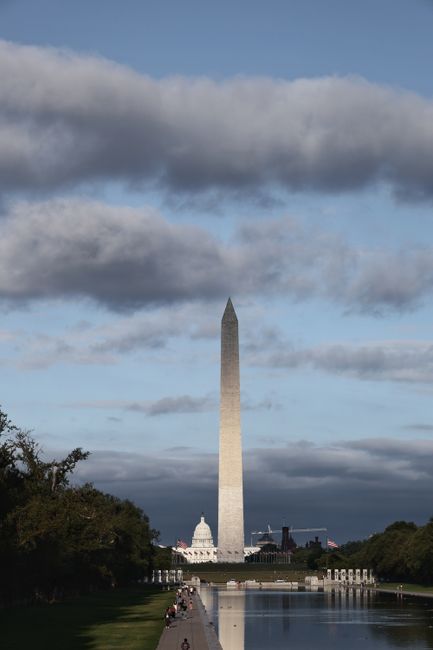
A guy, a bicycle, and a very expensive-looking reflecting pool in Washington, D.C.
It’s the kind of thing that makes you do a double-take.
The whole scene looks almost cinematic, but the reality behind it is way less fun.
A cyclist was arrested at the reflecting pool, and while it looks like a simple misunderstanding, it’s actually a messy mix of city laws, park rules, and sheer chaos.
From what I’ve seen in urban reporting, this happens more often than people think.
Tourists see the lights, they see the space, and they assume it’s open for business.
Spoiler alert: it isn’t.
The Incident: What Actually Happened?
From the clips circulating online, the cyclist was clearly making his way across the reflecting pool.
It was night, there were lights, and he was moving under his own power.
To a tourist, that might look like a cool way to see the monuments.
But to the National Park Service (NPS) and local police, that’s a major violation.
The man wasn’t just riding on the pavement; he was on the water.
The reflecting pool is technically a body of water, not a road.
Even if the ground looks solid because it’s been paved over, the laws regarding this specific area are incredibly strict.
He didn’t just break traffic rules; he trespassed on protected land and damaged the surface of the pool itself.
The arrest was technically for damaging government property and trespassing, even if the news headlines are focusing on the ‘cyclist’ part.
Understanding the DC Cycling Rules
It’s easy to get confused by the traffic laws in D.C.
It’s a huge city with a complex mix of bike lanes, sidewalks, and open roads.
But the Mall is a different beast entirely.
Most cyclists know they aren’t supposed to ride on the sidewalks downtown, but the Mall is a designated park.
Vehicles, including bikes, are generally restricted from driving on the Reflecting Pool or the National Mall itself unless they are part of an official parade or a specific authorized event.
The rules are there to protect the monuments and the water quality.
Water shoes and a bike chain don’t mix well with historic stone and concrete.
Why Tourists Make This Mistake
I’ve spoken to a few locals about this, and the consensus is that it’s a perception gap.
The National Mall is wide, it’s flat, and there are no crosswalks. Here’s the interesting part.
It feels like a giant parking lot.
Tourists, walking from the Air and Space Museum to the Lincoln Memorial, often see the road or path and assume they can just hop on a bike to save time.
They don’t realize that those paths are often temporary maintenance roads or that cycling is strictly prohibited in the immediate vicinity of the reflecting pool.
It’s a classic case of ‘not knowing the local rules’ leading to a very expensive mistake.
The Real Cost of the Arrest
Aside from the embarrassment of being dragged away by police, the financial hit can be steep. And this is where things get interesting.
We’re talking about potential fines that could easily run into the hundreds of dollars, plus court costs if the case goes to trial.
If the pool sustained damage, which is very likely given a bicycle’s weight and tires, the cyclist could be liable for repairs.
It’s a silly way to spend a vacation.
You plan months for a trip to see the monuments, and instead of a selfie, you end up with a mugshot.
How to Explore DC Safely (And Legally)
If you want to see the city on two wheels, you have to pick your spots.
There are tons of dedicated bike paths in D.C.
that get you close to the monuments without the legal risk.
You want to stay on the hard-packed gravel paths or the designated streets that loop around the perimeter of the Mall.
It might take a little longer to get to the exact spot you want to see, but you won’t get arrested. And this is where things get interesting.
Plus, you get to see more of the city when you aren’t rushing to avoid police helicopters.
- Stick to the Tidal Basin paths: These run along the water but stay on the gravel/dirt.
- Avoid the roadways at night: Visibility is low, and police presence is high.
- Use a bike light: Even if it’s not dark, it shows you are visible to others.
- Check local NPS maps: Before you hop on, make sure you aren’t on a ‘road closed’ sign.
Final Thoughts
Look, accidents happen.
We all do stupid things when we travel.
But the cyclist arrested at the reflecting pool serves as a pretty stark reminder that D.C.
isn’t just a city; it’s a heavily guarded federal zone.
The next time you’re in town and want to cut across the grass or ride on the water, think twice.
It’s better to take the long way around and enjoy the ride than to have your trip cut short by a handcuff.
Image source: pexels.com
Image source credit: pexels.com