And let’s be real for a second, nobody actually likes going to the doctor.
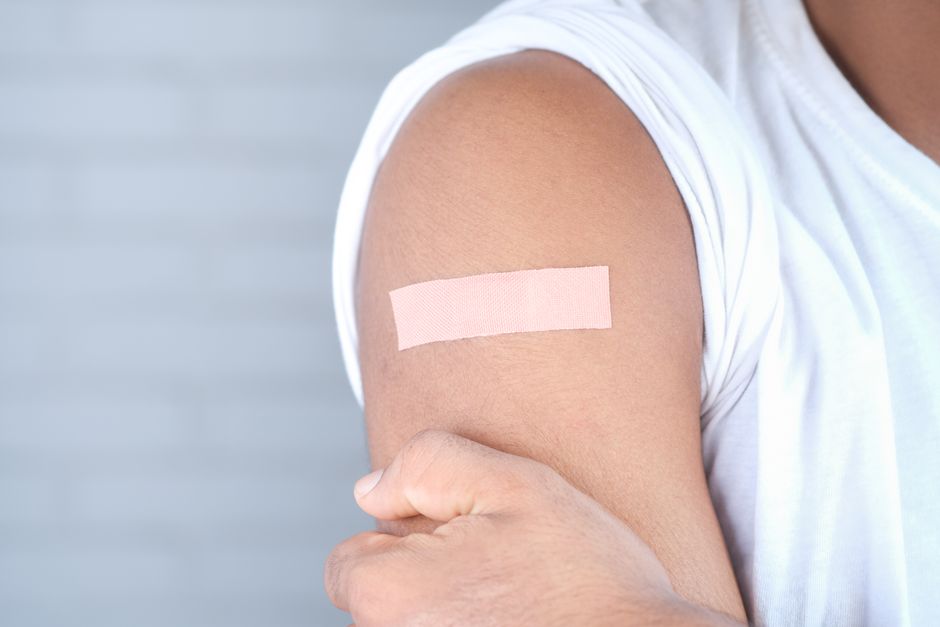
You walk in, you roll up your sleeve, and then there’s that needle stick.
Most people just roll with it because they know it’s good for them, but have you ever stopped to think about what’s actually happening inside your body? It’s a pretty wild process when you break it down.
We are constantly bombarded with information about whether vaccines are safe or not, which can make it hard to know what to believe.
From what I’ve seen while covering health trends, the biggest gap isn’t in the science, it’s in the communication.
So, let’s dive into the mechanics of a vaccination, look at the common side effects, and clear up the confusion surrounding why adults need boosters just as much as toddlers.
Table of Contents
- 1.
What is a Vaccine and How Does It Work?
- 2.
Common Myths vs.
The Reality
- 3.
Vaccination Schedules: Kids vs.
Adults
- 4.
Managing Mild Vaccine Side Effects
- 5.
The Importance of Travel Vaccines
- 6.
Soft Recommendations
What is a Vaccine and How Does It Work?
Basically, a vaccine is a safe, synthetic version of the germ that causes a disease.
It’s like a rehearsal for your immune system.
When you get a shot, you’re introducing a tiny, weakened part of a virus or bacteria—or sometimes just the protein shell of the virus—into your body.
Your immune system doesn’t know it’s not the real deal, so it treats it like an invader and starts producing antibodies.
The cool part is that your body keeps a record of these antibodies.
If you ever encounter the actual virus later, your immune system recognizes it instantly and destroys it before you even get sick.
It’s a superpower we’ve basically built ourselves.
Common Myths vs.
The Reality
But here is where things get tricky.
We live in an era of information overload, and not all of it is accurate.
One of the biggest misconceptions is that vaccines cause autism or other chronic conditions.
I’ve seen parents panic over this, but the medical consensus is extremely clear on this: the science does not support this link.
Another worry people have is that getting the flu shot gives you the flu.
That’s physically impossible.
The vaccine uses a dead virus, so it can’t infect you.
However, people often get the flu around the same time they get vaccinated because the virus is already circulating in the community.
It’s just a coincidence.
Vaccination Schedules: Kids vs.
Adults
Most people think of vaccinations as a toddler phase.
We remember the shots at the pediatrician, but then we stop going.
That’s a mistake.
Adults need protection too. Your immunity can wane over time, and even if you were vaccinated as a child, some vaccines lose their effectiveness.
- Childhood Essentials: The MMR vaccine (Measles, Mumps, Rubella) and DTaP (Diphtheria, Tetanus, Pertussis) are crucial.
Missing these can be dangerous.
- Adult Needs: Shingles, Pneumonia, and Tetanus boosters are big ones.
It’s not just about your health; it’s about keeping the community safe too.
Managing Mild Vaccine Side Effects
Okay, let’s talk about the sore arm.
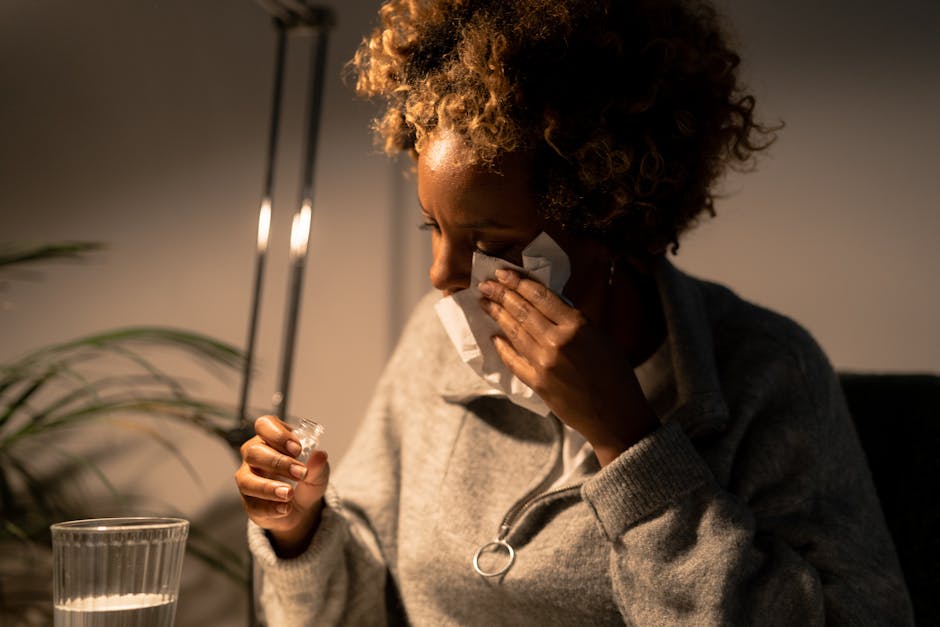
You’ll likely feel a bit of soreness, redness, or swelling at the injection site.
Some people get a low-grade fever or feel a little tired.
Honestly, I’ve seen people panic over a low-grade fever, which is totally normal.
It just means your immune system is working.
If you have a severe reaction—like hives, difficulty breathing, or a racing heart—you need to seek medical help immediately. Now think about that for a second.
But for 99% of people, these mild symptoms are a sign of a job well done by your body’s defense team.
The Importance of Travel Vaccines
If you travel outside the country, the rules change completely.
Diseases that are rare in the US might be rampant in other parts of the world.
For example, places like Africa or parts of Asia might require Yellow Fever vaccination before you can even enter.
Planning a trip? Always check the CDC website for the latest requirements based on where you’re going.
It’s easy to forget, but it can save your life.
Soft Recommendations
When you are ready to get your shots, don’t just walk into a random clinic.
It’s worth looking into telehealth options if you are busy.
Many reputable services allow you to book an appointment for a simple flu or COVID booster from your phone.
It saves you the hassle of sitting in a waiting room.
Also, while not a replacement for vaccines, keeping up with your general health is key.
Staying active and eating well helps your immune system respond better to those vaccines.
Final Thoughts
At the end of the day, vaccination is one of the greatest medical inventions we have.
It’s not about blind faith; it’s about understanding the risk/reward balance.
The risk of a sore arm or mild fever is absolutely nothing compared to the risk of contracting a serious, preventable disease.
So, the next time you get a shot, maybe take a second to appreciate what your body is doing to protect you.
Image source: pexels.com
Image source credit: pexels.com