So, you want to open a bank account.
It sounds easy enough, right? You walk in, sit down, and get a debit card.
But honestly, if you don’t know what you’re doing, you can lose a lot of money really fast. Here’s the interesting part.
I’ve been managing my own finances since I was 18, and I’ve made more than a few mistakes with fees and bad interest rates.
From what I’ve seen, most people just walk into a branch because it’s convenient and ignore the fine print.
That is a mistake you want to avoid. Here’s the interesting part.
Let’s break down how to actually choose a bank account that works for your wallet, not against it.
The Two Main Types of Accounts You Need to Know
First, you need to understand the difference between a checking account and a savings account.
It’s confusing, I get it.
But here is the simple way to think about it: a checking account is for your daily spending.
It’s where your paycheck goes when it lands, and it’s where you pay your rent or buy groceries.
A savings account is for holding onto money.
You don’t touch it unless there’s an emergency. And this is where things get interesting.
If you leave all your money in your checking account, you are leaving cash on the table because checking accounts rarely offer good interest rates.
Checking Accounts: Keep Your Life Moving
You need a checking account for the direct deposits, the bills, and the random coffee purchases.
But here is the problem: traditional banks charge monthly fees for these accounts, sometimes as high as $12 or $15 a month.
If you don’t maintain a minimum balance, they hit you with an overdraft fee too—usually around $35.
That is insane.
So, when you are looking for a checking account, you need to look for a no-fee checking account.
Some banks let you waive the fee if you have direct deposit, or if you use their app a certain amount of times a month.
Savings Accounts: Let Your Money Grow
Savings accounts are boring, but they are necessary.
The goal here is to keep money safe but earn a little bit of interest on it.
This is where high-yield savings accounts come in. But there’s a catch.
These are usually offered by online-only banks, not the big brick-and-mortar ones.
They offer much better rates because they don’t have to pay for fancy bank branches.
If you are looking for the best option right now, you are usually looking for something with an APY (Annual Percentage Yield) that beats 4% or 5%. Here’s the interesting part.
But always remember, money in savings is FDIC insured up to $250,000 per depositor, which means the government protects you if the bank fails.
Online vs.
Brick-and-Mortar Banks
This is the biggest debate right now.
Do you go with the bank down the street where you can talk to a teller, or do you go with an online-only bank? Honestly, most of us don’t talk to tellers anymore; we just tap our phones.
- Brick-and-Mortar Banks: Good if you need to deposit cash or handle complex issues in person. Oddly enough,
The downside? The fees are high, and the interest rates are usually terrible.
- Online Banks: You don’t get a physical branch, but you get higher interest rates and lower fees.
Everything is done through the app.
I’ve personally made the switch to online banking and haven’t looked back.
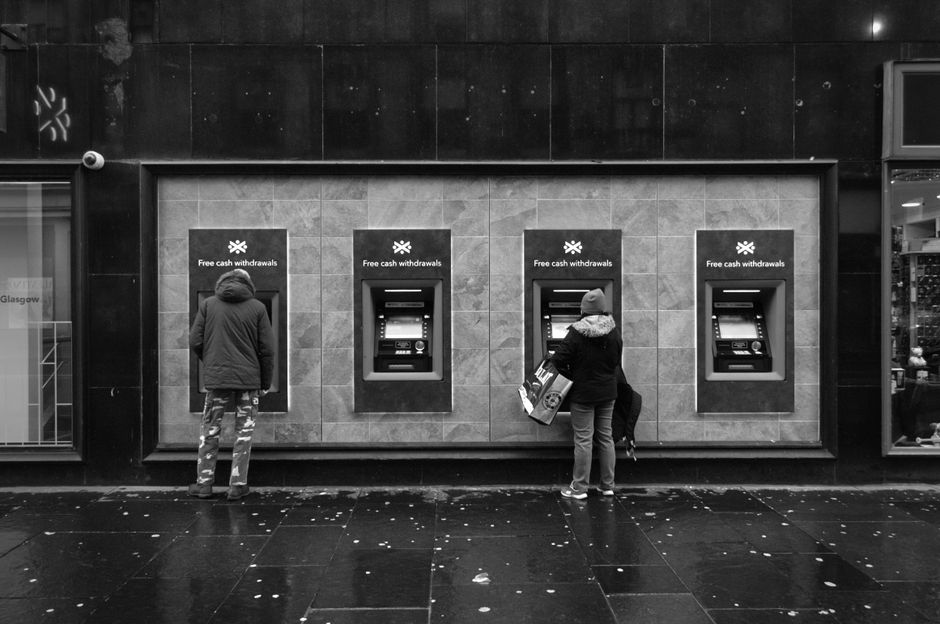
Also, consider the ATM situation.
If you use a bank that isn’t yours, you might get hit with a foreign ATM fee plus a fee from your own bank.
It adds up.
If you go with a big national bank, they usually have a network of ATMs, but some local credit unions don’t.
Hidden Fees and Traps to Watch Out For
Most people overlook these until it’s too late.
You need to be proactive.
First, watch out for the monthly maintenance fee.
Second, watch out for the overdraft protection fee.
This is when you spend more money than you have, and the bank lets the transaction go through but charges you a huge fee.
Some banks will actually let you transfer money from your savings to cover the overage, but they charge you a separate fee for that service too.
It’s a mess.
You want to set up alerts so you know exactly how much is in your account.
How to Choose: A Simple Checklist
Okay, so how do you actually make the decision? I suggest making a list. But there’s a catch.
Here is what I look for:
- No Monthly Fees: Read the fine print.
Can you waive it?
- High Interest Rate: Is the APY competitive?
- ATM Access: Where are the nearest ATMs?
- Mobile App: Is it easy to use? Can you deposit checks with your phone?
- FDIC Insured: Make sure it’s a legitimate bank.
Don’t just sign up because your best friend works there.
Make sure the account fits your lifestyle. And this is where things get interesting.
If you have a lot of cash you aren’t using, check out high-yield savings accounts to make your money work harder for you.
It makes a huge difference over a year or two.
Final Thoughts
Choosing a bank account doesn’t have to be a headache.
Just slow down, read the terms, and don’t let the fees eat your paycheck.
If you stick to a no-fee account and keep some cash in a high-yield savings account, you’re already ahead of 50% of the population.
Anyway, that’s the long and short of it.
Good luck with your financial journey.
Image source: pexels.com
Image source credit: pexels.com