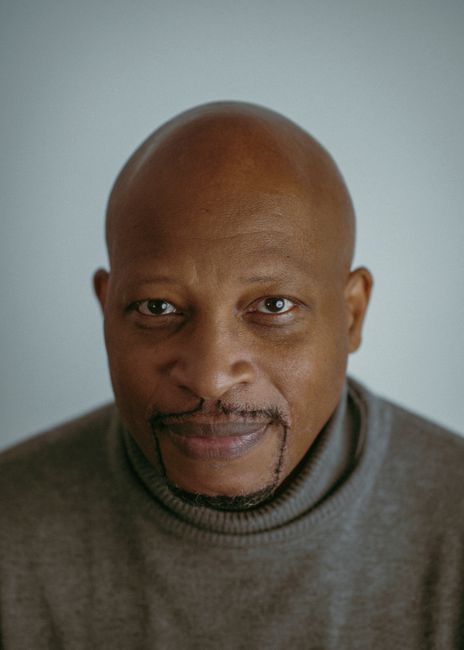
When you look at the history of British archaeology, especially regarding the transition from Roman rule to the Dark Ages, one name pops up a lot.
Malcolm Todd. But there’s a catch.
He wasn’t just another academic writing papers; he was someone who actually got out there and changed how we find things.
For a long time, people thought about the early medieval period as a bit of a void, but Malcolm Todd really argued against that.
So, who exactly was this guy? Well, he was a Professor of Archaeology, a Fellow of the British Academy, and someone who dedicated his life to untangling the messy history of Britain after the Romans left.
But there’s a specific concept associated with his name that actually makes a lot of people curious: the “Todd Effect”.
Here’s the interesting part.
Who Was Malcolm Todd?
Malcolm Todd was born in 1939 and lived a pretty full life until his passing in 2020.
He wasn’t just a teacher; he was a practitioner.
He spent a lot of time at the University of Exeter, where he became a leading voice in the field.
I think what made him stand out wasn’t just his degrees, but the way he approached the evidence.
He had this knack for connecting dots that other historians seemed to miss.
Most people know the Romans, right? They built towns, roads, and forts.
But what happened after they left? That’s where Todd shined.
He looked at the artifacts, the settlements, and the shifting borders to show that the transition wasn’t this sudden, violent crash.
It was more of a slow drift. But there’s a catch.
He was a big proponent of understanding the connections between the continental Europe and Britain during those centuries.
It’s fascinating to read his work because he doesn’t just list dates; he tries to explain the human reality of living in that era.
What Is the “Todd Effect”?
Now, if you’re reading this because you’ve heard the term “Todd Effect” and you’re confused, you aren’t alone.
It sounds like some sort of scientific anomaly, right? But in archaeology circles, it usually refers to the phenomenon of how archaeological sites persist or are identified despite changing land use.
From what I’ve seen in the field, the concept suggests that certain archaeological features can withstand agricultural processes for surprisingly long periods, making them easier to spot than you might expect.
Essentially, it’s about resilience.
It highlights how human activity leaves a mark on the landscape that lingers.
And this is crucial for modern excavators.
If you don’t understand how the ground reacts to farming over a thousand years, you might miss out on a massive part of history.
Malcolm Todd really pushed for better field survey techniques to catch these things before they were plowed under forever.
His Contributions to Roman Britain
It’s impossible to talk about Malcolm Todd without mentioning Roman Britain.
He wrote some of the definitive books on the subject.
He argued that the Romano-British period was way more integrated and complex than the old textbooks suggested.
He looked at the villas, the rural settlements, and showed how they changed over time.
He was really good at challenging the status quo.
For a long time, there was this idea that Britain was this isolated island cut off from the continent once the legions pulled out.
Todd showed that wasn’t the case.
There was a lot of cross-Channel activity.
He used everything from pottery analysis to landscape morphology to prove his points.
It makes you realize that history isn’t just about kings and battles; it’s about the farmers, the traders, and the locals trying to get by.
Legacy and Influence
Why do we still read his books today? Well, because he set the standard.
He mentored a lot of younger archaeologists and helped shape the curriculum at places like Exeter.
He had this way of making complex data accessible without dumbing it down.
If you are looking to get into archaeology or history, studying his methodologies is a smart move.
He didn’t just look at the past; he helped us understand how to find it.
His work is often cited in academic papers because he asked the right questions.
And honestly, for a guy who spent his life digging in the dirt, he was surprisingly good at explaining the big picture.
Final Thoughts
Malcolm Todd left a pretty big hole in the academic world when he died, but his influence is still felt.
He taught us that you don’t need to guess when it comes to the past; you just have to look at the evidence carefully.
If you are interested in exploring this further, you might want to check out some of his specific texts on early medieval archaeology or perhaps look into broader courses on Roman history which often reference his work.
He reminds us that history is a messy, ongoing conversation, not a finished product.
And for that, he deserves a lot of credit.
Image source: pexels.com
Image source credit: pexels.com