So, picture this: you’re sitting in your favorite armchair, enjoying a quiet Sunday, and you notice a little pile of fine, powdery dust right under the armrest.
You look closer and see a tiny hole, barely the size of a pinhead, in the wood.
Immediately, your stomach drops.
Is it termites? Is it just a coincidence?
Chances are, you’ve just encountered the gusano barrenador (wood boring worm).
It sounds scary, and honestly, it can be a nightmare for a homeowner or a woodworker.
I’ve dealt with this before in my own workshop, and let me tell you, finding out you have an infestation is like finding out your car has a ticking time bomb under the hood.
But don’t panic.
We’re going to break down exactly what these pests are, how to spot them, and most importantly, how to get rid of them without turning your house into a toxic waste zone.
Table of Contents
- What is a Gusano Barrenador Exactly?
- Signs That You Have an Infestation
- The 3 Most Common Types of Barren Worms
- Safe and Effective Treatment Options
- Prevention: How to Keep Them Away Forever
- When to Call a Professional
What is a Gusano Barrenador Exactly?
First off, let’s get one thing straight: it’s rarely actually a worm.
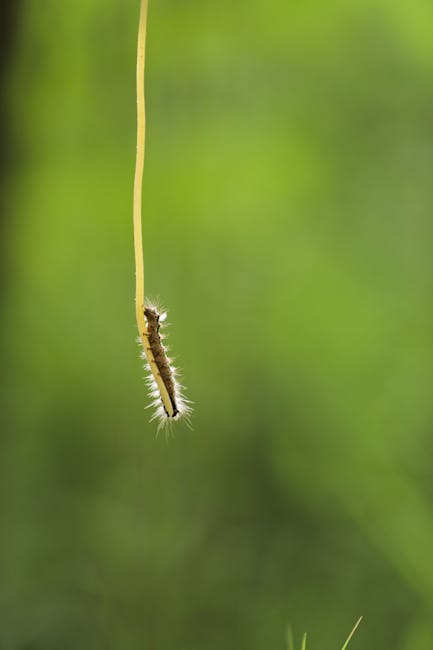
While we call it a worm because it looks like one—a legless, squiggly caterpillar—it’s actually the larval stage of a beetle, usually from the family Cerambycidae (longhorn beetles) or Buprestidae (flatheaded borers). And this is where things get interesting.
The adult lays eggs in cracks or bark, and the larvae hatch and start eating their way through the interior of the wood, creating tunnels as they grow.
They are called “barrenador” for a reason.
They bore.
They leave behind a trail of destruction inside the timber, weakening its structural integrity.
If you find them in structural beams, that’s a major red flag.
If they are in a decorative table, it’s more of an annoyance, but still annoying enough to want to throw that table out the window.
From what I’ve seen in the field, most people mistake the damage for water stains or normal wear and tear.
The frass (the sawdust-like excrement) is usually the biggest giveaway.
If you see that, the larvae are already inside, munching away happily.
Signs That You Have an Infestation
Identifying the problem early is half the battle.
You don’t always see the worm itself; usually, you just see the evidence.
Here is what I look for:
- Frass on the floor: As mentioned, this looks like fine sawdust or coffee grounds.
It falls out of the holes as the larvae eat.
- Small exit holes: These are usually round and about the size of a pencil tip or smaller.
They are the “doors” the adult beetles use to escape after emerging.
- Loose wood: If you tap the area and it sounds hollow, or if the surface feels spongy, the larvae might have tunnelled underneath the finish.
- Sightings: Occasionally, you might see the adult beetle itself.
They are often shiny and brown or black.
The 3 Most Common Types of Barren Worms
Not all “gusanos” are created equal.
Knowing which one you have helps determine the best course of action.
I’ve listed the three most common culprits found in homes and furniture.
1.
The Powderpost Beetle
These are the most common.
They prefer hardwoods like mahogany, walnut, and bamboo.
The larvae feed almost exclusively on the starch in the wood.
They can live for years inside the wood without you noticing anything.
Once they emerge, they leave those tiny, round holes we talked about.
Oddly enough,
2.
The Roundheaded Borer
These guys are bigger. Oddly enough,
Their larvae are plump and can be quite damaging to larger pieces of timber.
They are often found in tree trunks or structural wood.
If you have an old oak tree in your yard that’s looking a bit sad, this might be the culprit.
3.
The Flatheaded Borer
As the name suggests, their larvae have flat heads.
They prefer stressed or dying trees rather than healthy ones.
While they can infest furniture, they are more commonly a forestry issue.
However, if you bring firewood inside and leave it, you risk bringing these guys in with you.
Safe and Effective Treatment Options
And this is where things get interesting.
So, the holes are there.
The dust is piling up.
Now what? You have two main paths: chemical treatments and non-chemical methods.
I usually recommend starting with non-chemical if the infestation is localized to a single chair or table.
The Boric Acid Method (My Go-To)
Boric acid is a natural mineral that disrupts the larvae’s metabolism.
It’s safer than harsh pesticides, though still toxic if ingested. And this is where things get interesting.
Mix a teaspoon of boric acid with a little water and a few drops of dish soap.
Dip a cotton swab in the solution and jam it deep into the hole.
The larvae will crawl over it, get covered in the powder, and eventually die.
It’s a bit messy, and you have to be patient. Oddly enough,
Sometimes you have to do this multiple times over a week.
But it works.
I’ve seen it save antique furniture that my grandmother swore by.
Heat Treatment
And this is where things get interesting.
If the object isn’t too big, heat is a great way to kill the larvae.
Beetles can’t survive temperatures above 120°F (49°C) for a long period.
You can put smaller items in the oven on a low heat, but for larger pieces, you might need a professional treatment chamber.
I wouldn’t recommend trying this on your grandmother’s antique chair unless you know exactly what you’re doing, or you might melt the varnish.
Freezing
For smaller items, putting them in the freezer for a solid week can kill the larvae.
It sounds counterintuitive, but the shock of the cold and the long exposure usually does the trick. But there’s a catch.
Just make sure it’s wrapped properly so condensation doesn’t cause other issues.
Prevention: How to Keep Them Away Forever
Once you clear an infestation, you want to make sure it doesn’t come back.
Prevention is much cheaper than treatment, trust me.
The number one rule is keep the wood dry.
Larvae need moisture to survive.
If you live in a humid climate, consider using a dehumidifier in your living room.
Also, ensure proper ventilation in your basement or attic.
Ventilation dries out the wood, making it inhospitable for the beetles.
I also recommend applying a natural wood finish.
A good varnish, lacquer, or even a coat of boiled linseed oil can seal the pores of the wood, stopping the beetles from laying eggs in the first place.
Just make sure the wood is completely dry before you apply any finish.
When to Call a Professional
There is a fine line between a DIY fix and a job for an exterminator.
If you have an infestation in structural beams, load-bearing walls, or a large pine tree on your property, call a pro.
Structural damage can compromise the safety of your home.
Professional exterminators have access to chemicals and fumigation techniques that are far more effective than what you can buy at a hardware store.
They can also inspect other areas of your home to ensure the beetles aren’t spreading to other wood items.
Common Mistakes to Avoid
I’ve seen a lot of people make these mistakes, and it usually costs them more money in the long run.
- Filling the holes too quickly: If you just paint over the hole and frass, you’re sealing the larvae inside.
They will keep eating until they run out of space and die, or they might emerge through another spot.
Always clean out the hole first.
- Using the wrong pesticide: Some sprays only kill the surface.
You need a product that can penetrate the wood fibers where the larvae are hiding.
- Ignoring the source: If you bring in new firewood or lumber without treating it, you’re just re-introducing the problem immediately.
So, there you have it.
The lowdown on the dreaded gusano barrenador.
It’s a tough fight, but with a little patience and the right tools, you can save your furniture and protect your home.
Just keep an eye out for those tell-tale holes and sawdust piles.
Final Thoughts
Dealing with pests is never fun. Oddly enough,
It feels invasive, like they’re living in your space.
But remember, they’re just looking for a home, and usually, they’re just looking for wood.
Treat them with respect and handle them with care.
And maybe, just maybe, buy a spare chair while you’re at it.
But there’s a catch.
Image source: pexels.com
Image source credit: pexels.com