Let’s be honest.
If you’re reading this, you’ve probably hesitated at the clinic once or twice.
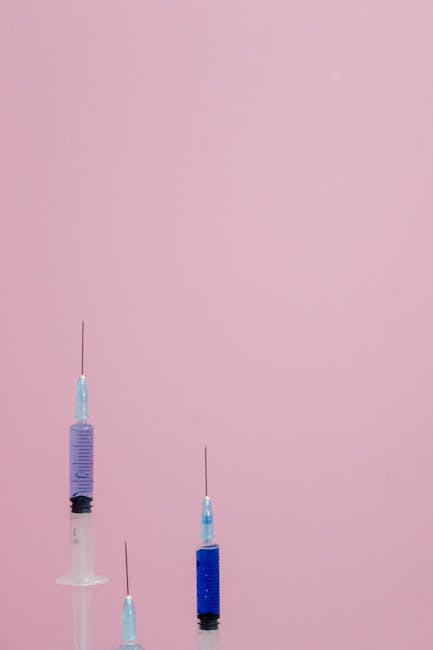
Maybe you’ve seen a scary headline on Facebook, or maybe you just hate needles.
Honestly, I get it.
The whole concept of injecting something into your body to ‘train’ your immune system sounds a little sci-fi, right?
But here is the thing that most people overlook: We live in a world where diseases that used to terrify our grandparents—like polio and smallpox—are basically history, largely thanks to these shots.
So, if you are wondering are vaccines safe and effective, you aren’t alone.
It’s a huge topic, and the internet is full of noise.
Let’s try to cut through the static and look at what the science actually says, without the fluff.
How Vaccines Actually Work (Without the Jargon)
Okay, imagine your immune system is like a security guard at a very busy airport.
It sees thousands of people every day.
Most of the time, it lets people through because they don’t have a weapon (virus).
But if a bad guy (a virus) tries to get in, the guard has to scramble to figure out how to stop them.
It takes time.
A vaccine gives your security guard a cheat sheet.
It shows them a picture of the bad guy *before* they actually arrive.
Now, when the real virus shows up, the guard has already built a specialized team to catch them.
And the best part? Once the guard knows how to fight that specific bad guy, they remember it forever.
That’s immunity.
And this is where things get interesting.
Are the Ingredients Really Safe?
This is usually where the fear sets in.
People look at a list of ingredients and see words like ‘aluminum’ or ‘formaldehyde.’ It’s easy to freak out when you don’t know what they do.
And sometimes, those ingredients sound like chemistry homework. But here is the reality: the amounts used in vaccines are tiny. But there’s a catch.
Think about it this way: a serving of chicken contains more aluminum than a vaccine does. But there’s a catch.
The formaldehyde used to stabilize the vaccine is the same stuff your body naturally produces every day to help heal cuts.
It’s about dilution and safety standards. Oddly enough,
The FDA and WHO have a lot of oversight here, and they aren’t going to let something dangerous into the system just to save a few bucks.
Now think about that for a second.
What About Side Effects?
Let’s talk about the bad stuff, because there is always a trade-off.
No medical procedure is perfect.
Some people experience sore arms, a low-grade fever, or fatigue for a day or two after getting a shot.
I know firsthand that feeling like you’ve been hit by a bus for 24 hours isn’t fun.
But let’s put this in perspective.
The risk of a bad reaction to a vaccine is incredibly low compared to the risk of catching the actual disease. But there’s a catch.
Canada Border Rules 2024: What Actually Gets You Turned Away Studies show that serious side effects are rarer than being struck by lightning.
Common Myths Busted
- Myth: Getting a flu shot gives you the flu. No, that’s impossible.
The viruses in the shot are dead or weakened.
You can’t get a live infection from a dead one.
- Myth: Natural immunity is better. Getting sick with a disease to build immunity is a terrible idea.
It often involves suffering through high fevers, hospital stays, or permanent damage before your body finally figures it out.
Vaccines do the same job but safely.
- Myth: Too many shots will overwhelm a child’s system. A child’s immune system is way stronger than we give it credit for.
It handles thousands of bacteria and viruses every day.
The vaccine schedule is carefully spaced out to fit perfectly within that natural capability.
Here’s the interesting part.
Why You Should Care About Community Immunity
It’s not just about you.
This is the part that confuses a lot of people.
Why should I get a shot if I’m healthy? Well, it’s about the herd.
If enough people are vaccinated, the virus doesn’t have a place to hide or spread. But there’s a catch.
It eventually dies out.
But when vaccination rates drop, things like measles and whooping cough come back, and they don’t care if you’re young or old.
It becomes a threat to the whole community.
Staying on Track: The Immunization Schedule
It can be overwhelming trying to remember when to get what.
Doctors usually have a timeline, but life gets in the way.
There are also specific requirements if you are planning to travel.
For example, if you’re going to certain parts of Africa or Asia, you might need shots for Yellow Fever or Typhoid before you can even board the plane.
Christian Walker: Everything You Need to Know About the Falcons Star Checking your status a few months before a trip is usually a smart move.
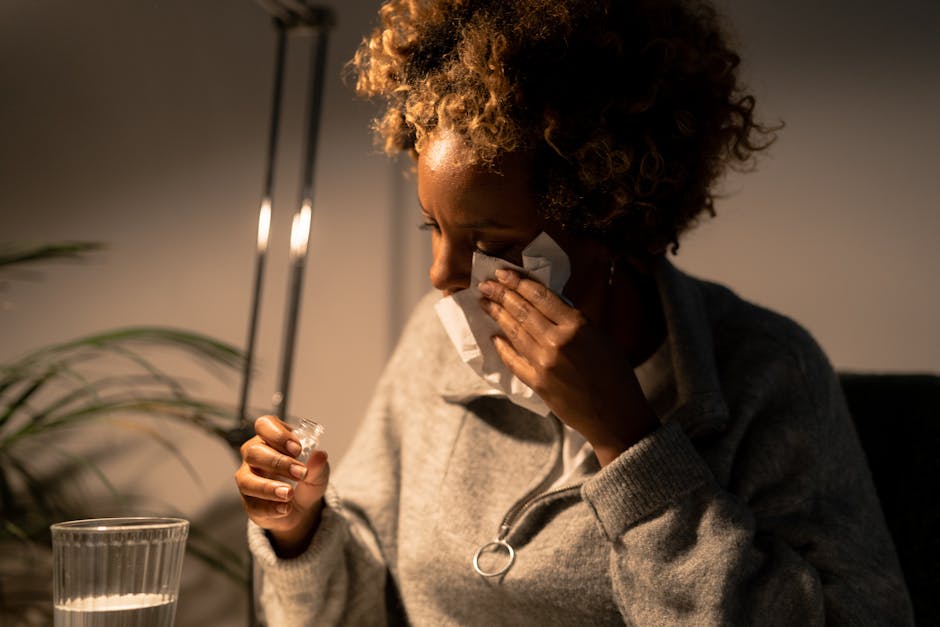
Tips to Handle Post-Shot Blues
If you’ve just got your shot and feel a bit off, there are things you can do to help your body recover faster. Oddly enough,
Staying hydrated is key, and taking a cool shower can help with that sore arm feeling.
It’s also a good idea to rest for the rest of the day.
Some people find it helpful to keep a small health journal to track how they feel over the next few days, which helps you notice patterns later.
WhyDo Some Travelers Skip These Vaccines?
The Bottom Line
From what I’ve seen in the medical community, vaccines are one of the greatest tools we have. And this is where things get interesting.
They aren’t perfect, sure, but they are incredibly safe and effective.
They turn fatal diseases into manageable ones, and they keep our families safe.
The science is solid, and the evidence is clear.
It’s usually better to trust the data than to fear the needle.
So, if you’ve been putting it off, maybe it’s time to make an appointment.
Your future self will probably thank you for it.
Here’s the interesting part.
Image source: pexels.com
Image source credit: pexels.com