Okay, let’s clear up a massive misconception right off the bat.
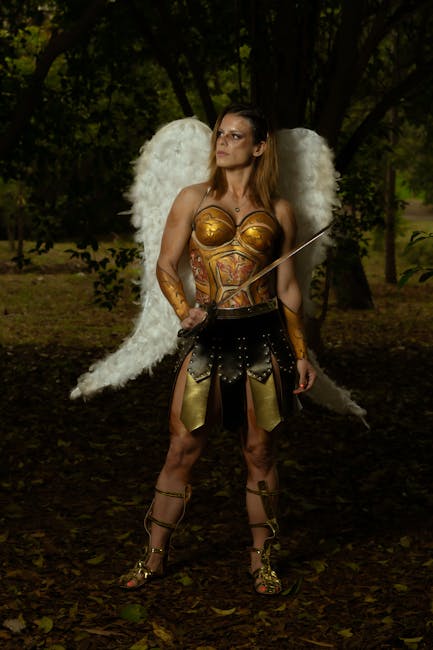
When you hear the word ‘Valkyrie,’ I bet the first thing that pops into your head is a blonde woman with a massive helmet and flapping wings, flying around a battlefield.
Like in the movie Valhalla Rising or Seven Swords.
But honestly? That’s mostly just a Hollywood invention.
From what I’ve seen in studying Norse texts, the real valkyries were terrifyingly cool.
They weren’t just winged harpies floating around; they were warrior spirits, and their job was actually pretty grim.
Let’s dive into who they really were, why they mattered to the Vikings, and how they’ve been totally butchered by modern video games.
Who Were the Valkyries, Really?
So, the word ‘Valkyrie’ comes from Old Norse.
It’s a compound of two words: valr, which means ‘the slain’ (dead people in battle), and kjurja, which means ‘to choose.’ Put it together and you get ‘chooser of the slain.’
These ladies (and yes, most of them were female, though the term isn’t strictly exclusive to women in older texts) were servants of the god Odin.
Their main gig was to fly over the battlefield, decide which warriors were worthy, and escort them to Valhalla.
It sounds noble, right? But for the Vikings, death wasn’t a sad thing—it was an opportunity to join the elite.
If you died in battle, you went to Valhalla.
If you died of old age in your bed, you went to Hel (the underworld).
The Valkyries were the recruiters for the afterlife.
The Linguistic Confusion
People get confused about whether they are goddesses or spirits. But there’s a catch.
Technically, they are dísir (female protective spirits) who work for Odin.
Think of them like a specialized task force.
The most famous Valkyrie, Brynhildr, was actually a shield-maiden who Odin punished by putting her into a deep sleep. And this is where things get interesting.
After she woke up and got her groove back, she became one of the main Valkyries.
The ‘Choosers of the Slain’: How They Worked
I always found it interesting that the Valkyries didn’t just pick the strongest guys.
They had a specific hierarchy.
They didn’t just take anyone with a sharp sword.
They looked for men who were brave, who fought with honor, and who weren’t afraid to die.
The process went down like this: The Valkyrie would swoop down (usually riding a horse, by the way—no wings involved), touch the warrior, and then the warrior’s soul would become aware of the Valkyrie.
The warrior would follow her to the afterlife.
It’s not like they carted the bodies away; the spirit was the important part.
Famous Names You Should Know
There are over thirty names listed in the Poetic Edda, which is a collection of Old Norse poems.
Some of the coolest ones include:
- Sigrún: Meaning ‘victory rune.’ She fell in love with a human warrior, which is a huge taboo in Norse myth, and died for it.
- Skuld: She’s often called the youngest Valkyrie, sometimes acting as a norn (a goddess of destiny).
- Hrist and Mist: Two names that show up a lot as Odin’s personal waitresses in Valhalla.
Do They Really Have Wings?
This is the big question.
If you look at Viking art, like the Brunhilde Stone or some runestones, Valkyries are often shown riding horses with one leg lifted.
There are no wings.
Some sources even suggest the ‘winged’ look came from the belief that Valkyries were sometimes confused with valkyrjur—a term for female demons or spirits of the dead who could take animal forms.
So, the winged helmet is a myth.
It probably originated from the confusion with the Sirens in Greek myth or just artistic license from Renaissance painters trying to make Norse gods look ‘pretty’ for European audiences.
Valkyries in Modern Pop Culture
Okay, let’s talk about the elephant in the room: Video Games.
Games like Assassin’s Creed Valhalla or Fate/Grand Order love Valkyries.
In Fate/Grand Order, they are basically super-powered servants with unique abilities, often serving a Master rather than Odin.
In the new movie Lindworm (based on a Swedish graphic novel), they are terrifying monsters, not divine beings.
I get it, it makes for better storytelling.
A glowing sword-wielding goddess is more marketable than a stern, spectral figure picking dead bodies off the mud.
But it strips away the cultural weight.
In the Viking age, if a Valkyrie came for you, you were honored.
You weren’t being controlled by a modern teenager in Japan.
Why Did the Concept Die Out?
The belief in Valkyries waned after the Viking Age converted to Christianity. But there’s a catch.
The church demonized the old pagan gods.
Odin became a ‘trickster’ or a devil figure, and his servant maidens became demonized. Now think about that for a second.
It’s a shame, really, because their role in Viking society was about honoring the dead and ensuring that brave souls weren’t forgotten.
Final Thoughts
When you watch a movie or play a game next time, try to remember the real lore.
The Valkyries were about the cycle of life and death, and the glory of battle.
They weren’t just eye candy.
They were the link between the living and the dead, and in a culture that feared death above all else, that was a massive responsibility.
If you’re interested in diving deeper into the Old Norse texts, I highly recommend grabbing a translation of the Prose Edda.
It’s dense, but the stories are wild. And this is where things get interesting.
And hey, if you want to see the art for yourself, check out the artifacts in the British Museum or the Viking Ship Museum in Oslo.
Image source: pexels.com
Now think about that for a second.
Image source credit: pexels.com