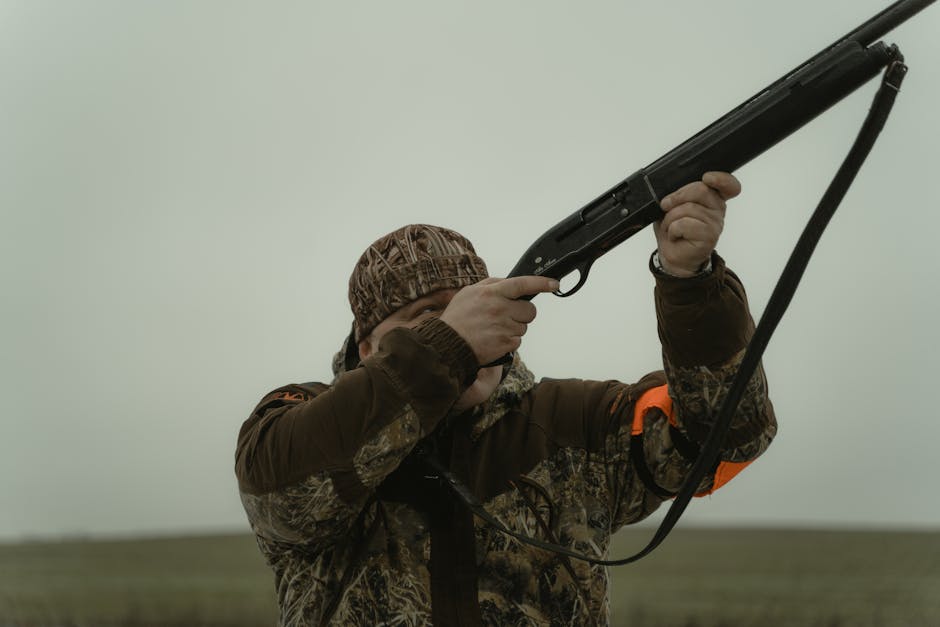
If you’ve been staring at the North Dakota map lately, wondering how the politics in Bismarck affects your season, you’re not alone.
Hunting in the state has always had a certain gritty, independent vibe, but things change when an executive order is signed.
Specifically, when we talk about the ‘Doug Burgum hunting order,’ we are really looking at a specific set of regulations and executive actions that have shaped how hunters access land and what they can hunt.
So, let’s break it down without all the jargon.
Whether you’re chasing pheasants in the badlands or migrating waterfowl in the central flyway, understanding the landscape is half the battle.
What Exactly Is the ‘Burgum Order’?
Actually, there isn’t just one single ‘Burgum Order’ regarding hunting.
More often than not, when people search for this term, they are looking for the various executive orders and regulatory tweaks Governor Burgum’s administration has pushed through—especially concerning North Dakota Game and Fish rules.
In the past, this included specific orders regarding migratory birds, landowner access, and emergency management protocols that impact public land usage.
From what I’ve seen in the field, these orders are usually aimed at balancing wildlife conservation with public safety and landowner rights.
It’s a tightrope walk.
If you don’t pay attention to the fine print, you might find yourself on the wrong side of a regulation.
Key Changes Hunters Should Watch For
- Migratory Bird Regulations: These are tricky.
The state works with federal guidelines, but sometimes the governor signs specific executive orders to extend seasons or adjust bag limits during certain conditions.
- Public Land Access: There have been specific orders related to emergency management that temporarily closed certain Wildlife Management Areas (WMAs) or restricted access during extreme weather events.
- Licensing & Fees: We’ve seen shifts in how licensing fees are allocated, often funneling more money directly back into habitat restoration projects.
Navigating Landowner Relations
One of the biggest headaches for hunters is getting permission to hunt private land.
The ‘Burgum era’ brought a renewed focus on landowner compensation and liability.
It’s not just about knocking on a door anymore; there are specific protocols now.
And, honestly? Most landowners appreciate it when hunters know the rules.
If you follow the regulations laid out in the Game and Fish updates—and the executive orders associated with them—you’re less likely to face a ‘No Trespassing’ sign in your face.
You can find more details on how to apply for your specific licenses on the official state website, which is a good place to start before you head out .
The Importance of Reporting Violations
This is something most people overlook until it’s too late.
Governor Burgum’s administration has emphasized stricter enforcement regarding poaching and illegal dumping on public hunting grounds.
If you see something shady happening, reporting it isn’t just ‘snitching’—it’s protecting the resource for next year.
The Late Teal Season & Migratory Bird Hunting
When people talk about hunting orders in the fall, the Late Teal Season is almost always the elephant in the room.
There have been specific executive orders regarding this season, sometimes tweaking the dates based on population counts.
I remember last year, the dates shifted by a week or two, and it messed up a lot of scouting plans.
You always have to double-check the current Game and Fish calendar.
If you’re looking for gear to help you scout better, I’ve found that having a good pair of binoculars makes a huge difference in spotting those teal flocks before they hit the decoys .
Practical Tips for the 2024 Season
Heading out into the North Dakota wild requires preparation.
Here is a quick checklist that aligns with the current regulations:
- Check the Order Daily: Regulations can change weekly, especially during waterfowl season.
- Carry Your License: Digital apps are great, but a physical copy doesn’t run out of battery.
- Respect the Land: Leave it better than you found it.
That’s the North Dakota way.
Where to Get the Best Info
Reliable information is your best asset.
Don’t just rely on what your buddy tells you over coffee.
Head over to the North Dakota Game and Fish Department’s site for the definitive list of rules.
If you want to plan your whole year, you might want to bookmark our guide on the best times to hunt different species .
Finding Your Spot
Scouting is key.
If you are hunting public land, you need to know where the birds are feeding versus where they are roosting.
There are some really good apps out there that show satellite imagery and land ownership lines.
It saves a ton of time walking blind trails.
One of the best options I’ve come across for map planning is something that overlays all the public land boundaries clearly.
It’s a lifesaver when you are trying to figure out if that patch of grass is actually private property .
Final Thoughts on Hunting in North Dakota
Hunting here is tough, but that’s why we love it.
The politics and the orders change, but the rhythm of the seasons stays the same.
As long as we respect the land and the laws, there will be plenty of birds and bucks to chase for years to come.
Go get ’em.
Image source: pexels.com
Make sure to keep checking back for updates on the late season, as the Game and Fish Department loves to surprise us with last-minute changes.
If you are interested in learning more about the history of North Dakota hunting laws, check out this detailed breakdown of hunting regulations .
Also, don’t forget to look into your liability insurance options.
It’s boring to think about, but it’s better to have it and not need it than the other way around .
Happy hunting, everyone.
And remember, if you spot a regulation that seems wrong, the Game and Fish department wants to hear from you.
They actually read the emails, believe it or not .
Image source credit: pexels.com