People always tell me to go to Yosemite.
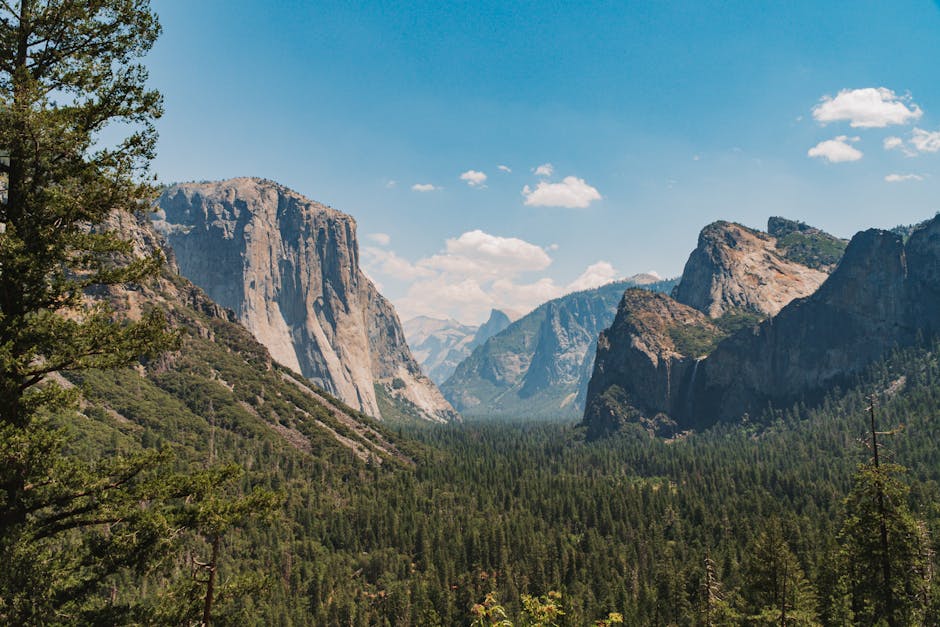
They show me pictures of Half Dome, or the massive granite cliffs of El Capitan. And this is where things get interesting.
It sounds amazing, right? But looking at the brochures, it feels a little…
intimidating.
Like, what do you actually do there besides walk around and look at rocks?
It took me a few trips to figure it out.
The first time I went, I was stressed.
I didn’t know about the traffic, or the reservations, or which trail was actually hike-able in the heat.
Now, I’ve been there a handful of times, and I think I’ve finally cracked the code on how to actually enjoy it without losing your mind.
This isn’t just a generic list of things to see; it’s a survival guide for the modern park visitor.
From what I’ve seen, most people make the same three mistakes: going in the peak summer without a plan, ignoring the shuttle system, and underestimating the sheer size of the park.
If you want to skip the tourist traps and see the real Yosemite, you need a solid game plan.
Here is the real deal on how to navigate the valley, where to sleep, and what you absolutely cannot miss.
Table of Contents
- 1.
Planning Your Visit: When and How
- 2. Oddly enough,
The Golden Triangle: Top Spots You Can’t Miss
- 3.
Hiking Hacks: Mist Trail vs.
Four Mile Trail
- 4.
The Camping Crisis: How to Get a Spot
- 5.
Getting Around: Traffic and Shuttles
Planning Your Visit: When and How
First things first: when are you going? The internet tells you July is the best month, but that is also when everyone else thinks it’s the best month.
I’ve been in June, and it was beautiful, but the waterfalls were already starting to go dry by mid-afternoon.
Then there was October, which was absolutely stunning—clear skies, fewer people—but the snow was starting to block the roads.
If you want the full experience, try to go in May or early June.
You get the high waterfalls, which are the main draw for most people, and the weather is usually cool enough to actually hike.
Just be warned, the parking lots fill up by 9:00 AM.
It’s a race to get in.
Also, you have to check if they are still requiring reservations for entry during your specific dates.
Sometimes they waive it for locals, but usually, you need to book weeks in advance.
The Golden Triangle: Top Spots You Can’t Miss
Once you’re inside, you need to focus on the ‘Golden Triangle,’ which is basically Yosemite Valley.
This is where the magic happens.
You can’t just wander aimlessly; you have to hit the key spots during the ‘golden hours’—that time right after sunrise and right before sunset.
The first stop should be Tunnel View. Now think about that for a second.
It’s iconic for a reason.
You pull over, the road drops away, and you see El Capitan and Bridalveil Fall framed by the tunnel.
But honestly, it’s a bit of a selfie pit.
I prefer pulling over at Olmsted Point if you can get there early.
It offers a totally different view of Half Dome across the valley.
Then there is Valley View. But there’s a catch.
It’s right near the entrance, on the north side of the river.
It’s not a hike; you just stand there.
But the view of El Capitan reflecting in the water is unmatched.
It’s quiet, it’s peaceful, and it’s usually empty because everyone is rushing to the other side of the park.
Hiking Hacks: Mist Trail vs.
Four Mile Trail
Hiking in Yosemite can be brutal.
The sun hits the granite walls, and the heat radiates up.
You have to be careful.
The most popular trail is the Mist Trail to Vernal Fall.
It’s steep, it’s crowded, and yeah, you will get wet. Now think about that for a second.
But it is gorgeous.
If you aren’t ready for the grueling 2,700-foot climb to the top of Vernal Fall, don’t do it.
It’s a lot of stairs.
If you want something easier but still amazing, hike the Four Mile Trail.
It’s a steady climb from the valley floor up to Glacier Point.
The views are incredible the whole way.
You pass through a forest, then open meadows, and then you’re standing on a cliff edge overlooking the entire valley.
It’s a workout, but manageable for most people.
Just bring plenty of water.
The Camping Crisis: How to Get a Spot
Okay, let’s talk about the elephant in the room: camping.
You want to sleep inside the park? Good luck.
The reservations system is incredibly hard to crack.
I’ve tried to get a spot on recreation.gov at 6:00 AM sharp, only to watch the screen load for five minutes and then tell me every single site is gone.
If you can’t get a campsite, don’t panic.
There are plenty of options just outside the park borders.
towns like El Portal, Mariposa, and Groveland have motels and cabins that are cheaper than staying inside the park.
Plus, you save 45 minutes of driving time every morning.
Just remember, you can’t park your RV or pitch a tent on the side of the road.
The rangers are strict about it.
Getting Around: Traffic and Shuttles
Driving your own car is a pain in Yosemite. Oddly enough,
There is only one road through the valley (Highway 41), and if there is an accident, the park turns into a parking lot.
I’ve spent an hour just moving five miles.
The best solution is to use the yosemite valley shuttle.
It’s free, it runs every 15 minutes, and it connects all the major trailheads, the visitor center, and the hotels.
It saves your legs and it saves your stress levels.
If you are staying in the valley, you really don’t need a car.
It’s that simple.
Monetization & Practical Tips
Before you pack your bags, make sure you get an America the Beautiful Pass.
It costs $80 a year, but it covers entry for everyone in your vehicle.
If you plan on visiting multiple national parks, it pays for itself in one trip.
It’s also a good idea to get travel insurance for the trip, just in case your flight gets cancelled or something happens before you get there.
Final Thoughts
Yosemite is overwhelming.
It really is.
It’s huge, loud, and packed with people.
But if you pick your spots carefully and give yourself plenty of time, it’s one of the most beautiful places on earth.
Just remember to give the wildlife some space, pack out what you pack in, and maybe don’t try to hike Half Dome on your first day.
You’ll appreciate the park a lot more if you take it slow.
Image source: pexels.com
Image source credit: pexels.com