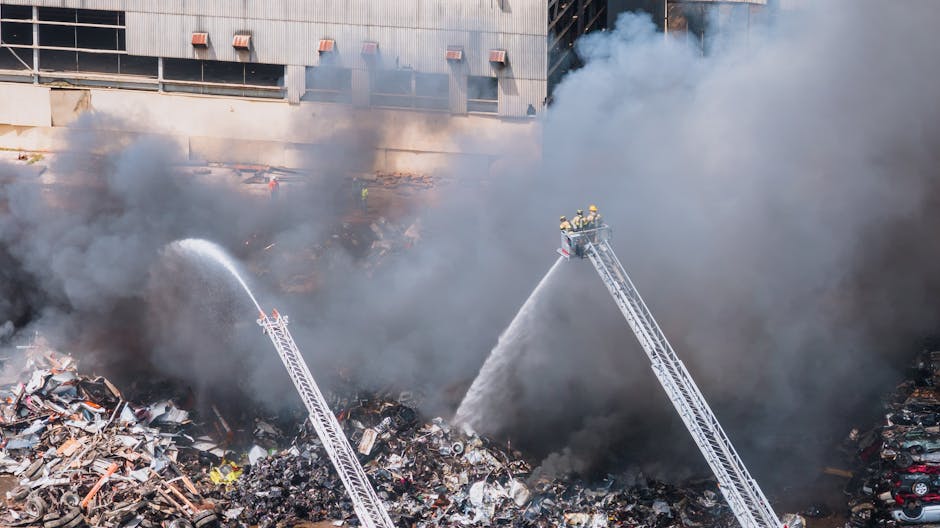
So, you’re looking into the Atlanta fire situation? That makes sense.
Atlanta gets hot, like really hot.
And when you mix that humidity with the sudden dry winds that roll off the Georgia mountains, things can get dangerous pretty fast.
But the city isn’t just about the heat waves and the tourists. Here’s the interesting part.
At the heart of the city’s resilience is the Atlanta Fire Rescue Department (AFRD).
Whether you’re a new resident trying to figure out who to call, or just curious about how the city manages its emergency services, it helps to know the real story behind the sirens.
Most people think of fire only when a building is burning, but AFRD does a whole lot more.
They handle everything from medical emergencies to hazardous material spills.
It’s a massive operation, and from what I’ve seen working with local safety organizations, it runs on a mix of old-school grit and modern technology.
Table of Contents
- Who is Atlanta Fire Rescue (AFRD)?
- Atlanta Emergency Protocols: 911 vs. And this is where things get interesting.
Non-Emergency
- The Atlanta Fire Station Network
- The Brush Fire Problem in Georgia
- Atlanta Community Fire Prevention
- Choosing the Right Fire Safety Gear
Who is Atlanta Fire Rescue (AFRD)?
Let’s clear up the name.
It’s not just a bunch of guys running around with hoses.
AFRD is the primary agency responsible for fire suppression, emergency medical services (EMS), and hazardous materials response for Atlanta.
And here is something people often overlook: Atlanta Fire Rescue actually handles more medical calls than fire calls. I remember reading a report where the split was something like 60% medical, 40% fire.
That’s a huge deal because it means the first responders you see are often EMTs or paramedics.
The department has been around for a long time, evolving from small volunteer units to the modern, 24/7 operation we see today.
They are strictly bound by the Atlanta fire codes, which are designed to keep commercial buildings and homes up to specific safety standards.
If you own a property here, you can’t just ignore the sprinkler requirements or the fire escape rules, no matter how inconvenient they seem.
Atlanta Emergency Protocols: 911 vs.
Non-Emergency
Here is the part where I see people mess up every single day.
Panic sets in, and people dial 911 for things that aren’t emergencies.
And let’s be real, tying up the 911 line for a loose fire alarm or a minor injury is a bad idea.
For actual life-threatening emergencies—like a house fully engulfed in flames or someone having a heart attack—you call 911.
The dispatcher will ask you questions.
It might feel annoying, but they need to know if the building is occupied, if there are hazards like gas leaks, and how many people are inside.
That info saves lives.
If you just want to report a hazard that isn’t on fire—like a street light out on a fire hydrant or a trash fire that’s already out—look up the AFRD non-emergency number.
It’s usually on their official website.
You can thank me later when you don’t accidentally report a false alarm.
The Atlanta Fire Station Network
Atlanta is a big city, so you might wonder how they cover it all.
They have a system of stations strategically placed to ensure response times are as short as possible.
From the historic stations in the Old Fourth Ward to the sprawling stations in the northern suburbs like Sandy Springs and Alpharetta, the network is extensive.
Did you know you can actually find the exact location of the nearest fire station? It’s not just for firefighters.
Sometimes knowing the closest station to your home gives you peace of mind. Here’s the interesting part.
If you are looking for a home in Atlanta, knowing the proximity to a fire station is actually a good sign.
It usually means the neighborhood is well-maintained and monitored.
The Brush Fire Problem in Georgia
This is where I get a little personal. Here’s the interesting part.
I live in the metro area, and the spring dry season is terrifying.
The humidity drops, and the wind picks up, turning the dry brush in our parks and along the highways into tinder.
Atlanta fire officials are constantly battling these brush fires.
They are fast-moving and can jump from a field to a house in minutes if the conditions are right.
AFRD has a specific response strategy for these, using specialized vehicles to knock down the flames before they reach structures.
But they can’t do it alone.
Residents need to be careful with yard work—don’t burn leaves when it’s windy, and keep flammable materials away from the house foundation.
But there’s a catch.
Atlanta Community Fire Prevention
Prevention is cheaper than the cure, right? Well, it’s definitely safer.
AFRD runs community outreach programs. And this is where things get interesting.
They go into schools, they teach kids how to stop, drop, and roll, and they offer free home inspections for seniors.
If you are a business owner, you should check out their Fire Safety Certification process.
It’s not just a formality; it shows customers you take safety seriously.
Also, with the way Atlanta is growing, water pressure is sometimes an issue in older neighborhoods during a massive fire.
That’s why understanding the city’s infrastructure is part of the job for the fire chief and his team.
Choosing the Right Fire Safety Gear
Okay, practical tip time.
You can’t rely on the fire department to save everything.
You need to protect your own castle.
If you’re looking to buy a fire extinguisher for your kitchen or a carbon monoxide detector, it can be overwhelming.
From my experience, the best option isn’t always the cheapest one.
You want a fire extinguisher that is rated for Class K (kitchen grease fires) and has a gauge so you can see if it’s still good. Here’s the interesting part.
Make sure it’s easily accessible but not somewhere a toddler can grab it. And this is where things get interesting.
A simple extinguisher can turn a disaster into a minor incident, saving you thousands in damages and potentially your life.
Final Thoughts: Atlanta Fire Rescue is more than just a response team; they are the backbone of the city’s safety net. Here’s the interesting part.
Whether it’s swatting down a brush fire in June or checking a code violation in a downtown high-rise, they are there.
Stay safe, keep your escape routes clear, and maybe learn the difference between 911 and the non-emergency line.
It could save your life one day.
Now think about that for a second.
Related Resources
- List of AFRD Stations and Districts
- How to Report a Hazard
- Atlanta Fire Department Press Releases
- Fire Safety Tips for Elderly Residents
Image source: pexels.com
Image source credit: pexels.com