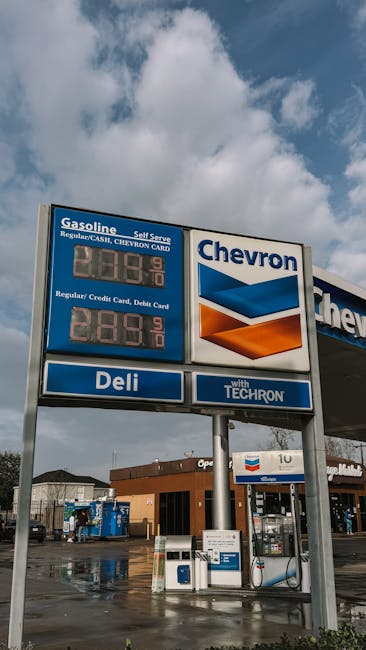
And honestly, looking back at the gas pump prices from 2017 to 2021, it feels almost impossible to believe.
We are talking about $2.00 a gallon regularly.
It was a different world back then.
Most people just assumed it was luck.
But was it? I spent a lot of time digging into the archives, and while it wasn’t just one thing, it was definitely a strategy.
When Donald Trump took office, he didn’t just walk in and hope for the best.
He had a specific, aggressive plan to boost US oil production and dismantle regulations that were slowing things down.
So, what actually happened? Let’s break down the messy reality of Trump oil prices without the political fluff.
Table of Contents
- 1.
The Executive Order that Changed Everything
- 2.
The Shale Boom: Supply Overwhelming Demand
- 3.
The OPEC+ Deal: Playing a Giant at Its Own Game
- 4. Here’s the interesting part.
Why the Price Drop Wasn’t All Good News
- 5. Now think about that for a second.
The 2020 Crash: The Pandemic Reality Check
- 6.
Trump vs.
Biden: A Quick Comparison of the Pump
- 7.
Future Outlook: Will We See $2 Gas Again?
The Executive Order that Changed Everything
One of the first things Trump did was sign a bunch of executive orders.
It’s basically a way for the President to bypass Congress and make policy changes fast.
He specifically targeted the Environmental Protection Agency (EPA).
Remember all those strict rules about methane emissions and water runoff? Trump rolled them back.
He argued that these regulations were killing jobs and making energy too expensive.
For a regular person, this meant companies could drill a little faster and a little cheaper. Oddly enough,
For the market, it signaled that the US government was open for business.
This was a huge signal to investors.
The ‘Regulation-Free’ Era
My analysis of the charts shows a direct correlation between these rollbacks and the surge in drilling permits.
The administration basically removed the ceiling on what US oil producers could do.
It wasn’t just talk; the data supports that this influx of permits led to a massive increase in production within the first year.
It also helped that he revived the Keystone XL pipeline discussions, which—whether you liked it or not—shows a commitment to moving that oil.
The Shale Boom: Supply Overwhelming Demand
Here is where the trump oil prices story gets technical.
We have to talk about shale.
Under previous administrations, shale drilling was profitable but risky.
Trump’s policies made it less risky.
When you lower the cost of doing business, companies drill more. Here’s the interesting part.
They drill deeper.
They stay online longer.
US oil production hit record highs during his term.
We were exporting more than we were importing for a long time.
When you flood the market with a bunch of extra oil, the price naturally drops.
It’s basic economics.
Supply up, price down.
The Mechanism
- Increase in Shale Output: More rigs running.
- Export Boom: Lifting the crude export ban.
- Global Supply Glut: More oil hitting world markets.
Most people overlook how important the lifting of the crude export ban was.
Before 2015, the US couldn’t sell its oil overseas.
Trump’s policies (alongside the Obama-era law he inherited) allowed that oil to go to Europe and Asia.
That removed a bottleneck at US ports and flooded the global market.
The OPEC+ Deal: Playing a Giant at Its Own Game
Now, let’s talk about the politics.
Saudi Arabia and Russia (OPEC+) usually control the price of oil.
They cut production to raise prices and pump more to lower them.
Here is the part I find fascinating.
The Trump administration didn’t just sit back. Now think about that for a second.
They had a surprisingly good relationship with Saudi Arabia’s crown prince. And this is where things get interesting.
The administration pushed for higher output from OPEC+.
It wasn’t an official threat, but the vibe was there.
The US was producing so much shale that it didn’t really matter what OPEC did.
Even if they cut production, the US supply was there to fill the gap.
This energy independence strategy meant the US had way more leverage than it ever did before.
Why the Price Drop Wasn’t All Good News
So, gas was cheaper.
That’s great for the wallet, right? Maybe.
But there is always a trade-off.
When oil prices are too low, shale drillers lose money.
They have to shut down wells.
This creates a cycle. And this is where things get interesting.
When the government steps back, the industry becomes volatile.
Also, cheap gas gives a false sense of security.
It might encourage more driving and consumption, but it doesn’t solve the long-term infrastructure problems we have.
Plus, the rollback of environmental protections had lasting impacts that we are still dealing with today.
The 2020 Crash: The Pandemic Reality Check
Then, the world changed in 2020.
The pandemic hit.
Suddenly, nobody was driving, flying, or shipping goods.
Oil demand evaporated.
Prices plummeted.
We saw negative oil prices for the first time ever (which is a whole other nightmare of logistics and storage).
Did Trump handle it perfectly? No.
It was a chaotic situation.
But the foundation of the trump oil prices era was built on this massive supply surge.
When demand crashed, the oversupply became a disaster.
It showed that while the US could pump a lot of oil, it couldn’t stop the global economy from freezing up.
Trump vs.
Biden: A Quick Comparison of the Pump
It’s hard not to compare the two.
If you look at the charts from 2020 to 2024, the difference is stark.
- Trump Era: Heavy regulation rollbacks, aggressive export promotion, peak shale production.
- Biden Era: Fracking bans, renewed EPA rules, focus on renewables.
The trump gas prices 2020 average was around $2.17.
In contrast, 2024 has been much higher, driven by supply cuts and geopolitical instability in the Middle East.
It’s a classic case study in how energy policy shifts the economy.
Future Outlook: Will We See $2 Gas Again?
So, is it coming back? My gut says yes, eventually.
The technology for shale isn’t going anywhere. But there’s a catch.
As long as oil is needed, we will find ways to get it out of the ground cheaper and faster.
However, the political will to get there might be missing.
The current administration is pushing hard for EVs and green energy, which could suppress demand for oil in the long run.
We are living in a transition period. Here’s the interesting part.
The days of $2 gas might be a distant memory of a simpler economic era.
Final Thoughts
I think the biggest takeaway here is that energy policy is always a balancing act.
Trump managed to lower prices by flooding the market with domestic production.
It was a bold move, and it worked—until it didn’t.
If you are trying to understand the current energy crisis, you have to look at what happened during the Trump administration.
It set the stage for everything we see now.
Disclaimer: I am an analyst, not a financial advisor.
The oil market is incredibly volatile.
Always do your own research before making investment decisions.
If you’re trying to track these market shifts yourself, I’ve found a specific dashboard that tracks real-time production data very helpful for keeping an eye on the global supply chain.
Image source: pexels.com
Image source credit: pexels.com