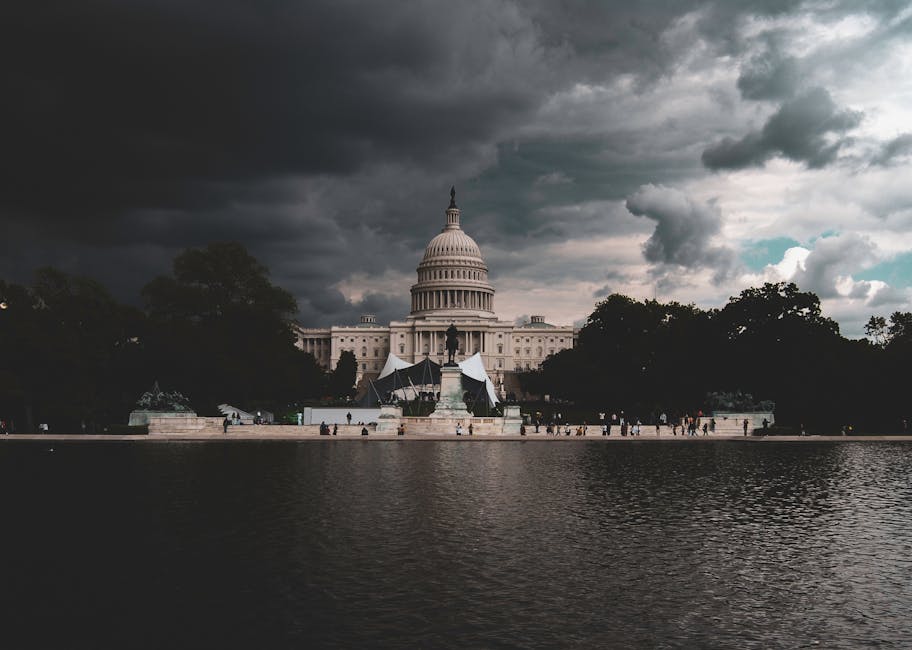
Honestly, if you ask anyone who’s lived here for more than a summer, they’ll tell you it’s not just about the heat.
Washington DC weather has a reputation for being unpredictable.
You might be enjoying a crisp 60-degree day in October, only to walk into a wall of humidity that feels like a sauna by the afternoon.
I’ve been reporting on this city for years, and I’ve learned that you don’t just need to pack for the season; you need to pack for the mood swings.
Most people look at the average temperatures and think, ‘Okay, 80 degrees in July? I’ll just bring a t-shirt.’ They are usually the ones who end up buying a new jacket in August. Now think about that for a second.
So, let’s break down what you can actually expect, month by month, so you don’t get caught off guard by the humidity, the pollen, or the surprise frost.
The Hidden Enemy: Humidity in DC
Before we talk about the calendar, we have to talk about the air.
Unlike other major cities where you get a hot, dry summer, DC gets a hot, muggy summer.
The moisture level is usually what makes 90 degrees feel like 110 degrees.
It sticks to you. Now think about that for a second.
It makes the air heavy.
This isn’t just uncomfortable; it makes moving around the National Mall a real workout.
So, when you are planning your trip, look at the heat index, not just the thermometer.
You’ll notice that even in spring, the humidity kicks in early, dragging down the temperature but making it feel sticky and unpleasant.
Spring: The Beautiful Mess (March–May)
Spring in DC is probably the most famous season, mostly because of the cherry blossoms.
But let’s be real, it’s also a logistical nightmare.
The weather here changes so fast it’s kind of ridiculous.
One day it’s 70 degrees and sunny; the next, it’s 40 degrees with wind gusts that threaten to knock you over.
There is also the pollen.
If you have asthma or allergies, this season is going to test you.
The trees bloom, the flowers bloom, and suddenly everything is yellow.
You can’t open a window without dusting immediately.
What to Pack:
- A waterproof jacket (just in case)
- Sunglasses (the sun reflects off all the concrete)
- Antihistamines
Summer: The Swamp Season (June–August)
Okay, let’s address the elephant in the room.
The summer heat in DC is no joke.
It doesn’t get dark until almost 9 PM, which makes for long, sweltering days.
If you plan on walking the monuments, you need to start very early in the morning or very late at night.
I’ve seen tourists faint at the Washington Monument just because they underestimated how exposed the city is to the sun.
The combination of the concrete canyons of downtown and the humid air creates a greenhouse effect.
It’s oppressive.
Honestly, the best advice I can give anyone visiting in July or August is to stay indoors until the sun goes down.
What to Pack:
- Lots of water
- High SPF sunscreen
- Light, breathable fabrics (cotton or linen)
Autumn: The Only Good Season (September–November)
If I had to pick one time of year to live in Washington DC, it would be September.
The humidity breaks. Here’s the interesting part.
The air gets crisp.
The trees turn into shades of orange and red that look like a painting.
It’s actually beautiful.
But don’t get too comfortable.
The autumn wind in DC is specific.
It’s that biting, drying wind that cuts right through your coat.
And then, November hits.
It turns gray. But there’s a catch.
Fast.
The trees lose their leaves, the sky stays a dull, flat color for weeks, and the whole city feels a little gloomy.
It’s a prime time for rain, so umbrellas are non-negotiable.
Winter: The Rare, But Deadly, Snow (December–February)
DC doesn’t get massive blizzards like Buffalo or Minneapolis.
We don’t have the infrastructure for it.
When we get a snowstorm, which happens maybe once or twice a year, it shuts the city down.
The Metro (subway) stops running.
The schools close.
People are terrified of driving.
It usually hovers right around freezing.
Sometimes it’s icy, sometimes it’s just wet slush.
It’s rarely super cold, like the Midwest.
Most of the time, it’s just cold and damp. Oddly enough,
If you are visiting in winter, bring boots with good traction.
The sidewalks here are incredibly slippery when they get wet.
What to Pack:
- Waterproof, grippy boots
- Wool layers
- An umbrella (one that won’t collapse in the wind)
Local Insider Tip: How Weather Affects Commutes
Here is something most guidebooks leave out: The Metro (our subway system) hates weather.
When it rains hard, the tunnels flood.
When it’s too hot or too cold, the tracks expand or contract, causing delays.
On really bad weather days, the trains can be delayed by 30 to 60 minutes. Oddly enough,
It’s frustrating.
If you have a tight schedule, check the weather forecast and plan to walk or get an Uber on days with heavy rain or extreme cold.
You’ll save yourself a lot of stress.
Planning Your Next Trip
Knowing the weather helps, but you also need to know where to go.
The city offers so much, especially when you pair it with the right gear.
When I travel, I always make sure my bag can handle the elements.
I found a set of organizing packing cubes that help keep my clothes dry and wrinkle-free, which is crucial when you’re on the move for hours in the summer heat.
Once you’ve mastered the weather, you might want to explore beyond the city limits.
Washington DC is a great hub for road trips.
You can head north to get some real snow or head south to the coast if you’re tired of the humidity.
Speaking of humidity, if you’re looking for cool weather hiking spots nearby, check out these trails near DC.
Whether you are here for the cherry blossoms, the fall foliage, or just a random weekend getaway, respect the forecast.
It’s the only way to enjoy the city without feeling like you’re fighting Mother Nature.
And hey, if you are a local dealing with HVAC issues because your AC broke in July, you know the struggle is real.
A broken system in this humidity is dangerous.
Just make sure to find a reliable local HVAC repair service before it gets too late.
At the end of the day, the weather in DC is a character in its own right.
Once you learn to read it, you’ll be able to enjoy the city no matter what the sky is doing.
Image source: pexels.com
Image source credit: pexels.com